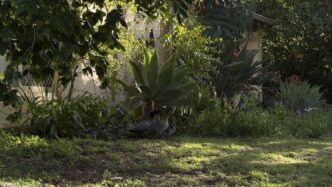

When two Australian wood ducklings fell through a stormwater grate in Wilson, local residents stepped in to rescue them.
The incident has since sparked a community effort to protect the duck family as it moves through suburban streets near the Canning River.
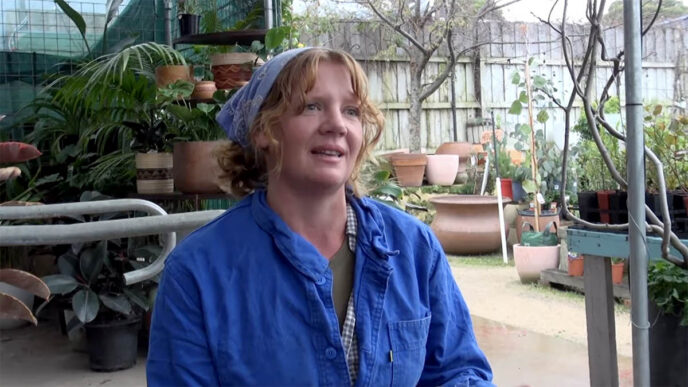
Local resident Peta O’Dwyer has been interested in waterbirds since moving closer to the river, with birds regularly visiting her front yard to forage for food.
“Four years ago, I took a greater interest in the wild bird life because they were regularly coming onto our property,” she said.
In 2025, O’Dwyer became concerned when a Pacific black duck brought her ducklings onto the property.
But it was an encounter with a family of Australian wood ducks this year that prompted her to act.
“The day I noticed the family I wanted to ensure they would be safe, so I walked to where they were and the mother seemed distressed,” she said.
“Upon inspection, two babies had fallen through the grate that is at the edge of the road for stormwater to drain down and were swimming around calling out.
“I engaged two helpers from their homes to help me rescue them, which was a success.”
The rescue prompted O’Dwyer to enlist other residents to keep a closer eye on the duck family.
“I talked to some of my friends who live at Watts to form a group to keep watch over the duck family,” she said.
O’Dwyer also became concerned about the danger busy suburban streets posed to local wildlife and contacted the City of Canning.
“I have been in contact with Deputy Mayor of the City of Canning Mark Bain […] and asked for wildlife warning signs to be placed at each entrance to Watts Road and near the street pond where the family lives,” she said.
“Within less than 24 hours the signs were placed.”
City of Canning Deputy Mayor Mark Bain said protecting wildlife was important to the city.
“We are blessed here in the City of Canning to have the Canning River Regional Park running right through the heart of our municipality and with the fantastic outlooks and landscape come fantastic wildlife,” he said.
“We are environmentally minded, and we are looking to protect the wildlife the best we can, hence why we stepped in and got involved in this occasion.”
City of Canning Principal Environmental Advisor Jade Leask agreed that ducks and other wildlife were particularly vulnerable to vehicle strikes when living in built-up urban areas.
“The ducklings are particularly vulnerable because they cannot fly and may need to walk long distances to access water,” she said.
“Native birds and animals in the urban environment have the biggest risks because they are near roads.”
A thriving ecosystem
Ms Leask said the Canning River was particularly important because of its diverse ecosystem.
“The river system includes freshwater, estuarine, wetland, saltmarsh and riparian habitats, creating an unusually rich ecological corridor,” she said.
The Canning River also has rich Aboriginal cultural significance, while the Australian Sikh Heritage Trail along the river connects the area to the history of Sikh migration to Western Australia.
Protecting urban wildlife
Ms Leask said wildlife conservation was particularly important in densely populated areas.
“Protecting wildlife in urban areas helps maintain biodiversity and supports ecological functions they provide to keep us alive, such as water filtration, insect control, pollination and seed dispersal.”
But she said even efforts to improve natural areas could have unintended consequences if they increased human activity close to wildlife nesting or refuge areas.
“Unintended impacts can arise if improving these areas increases human access and activity too close to wildlife nesting or refuge areas as it disturbs migration and feeding areas,” she said.
“Human activity can impact the natural ecosystems by damaging its vegetation, concentrating people and dogs along vulnerable edges, and it can create degraded open spaces that expose wildlife to predators and disturbance.”
Back in Wilson, O’Dwyer and other residents are continuing to keep watch over the duck family as it navigates the suburban environment.
What began with two ducklings trapped beneath a stormwater grate has become a community effort to help protect the family from the hazards of suburban life.
Ra Castel

I am a journalist student at ECU, YouTuber and Content producer with over 249K views on TikTok, 25K+ views on Instagram reels and posts and 4k views on YouTube. My intent for my works to progress into more video journalism that will cover all sorts of topics from entertainment and breaking news. Other journalist mediums I am interested in diving into are podcasting, radio and content creation. You can find me on all social media platforms and Linkedin for more content.