
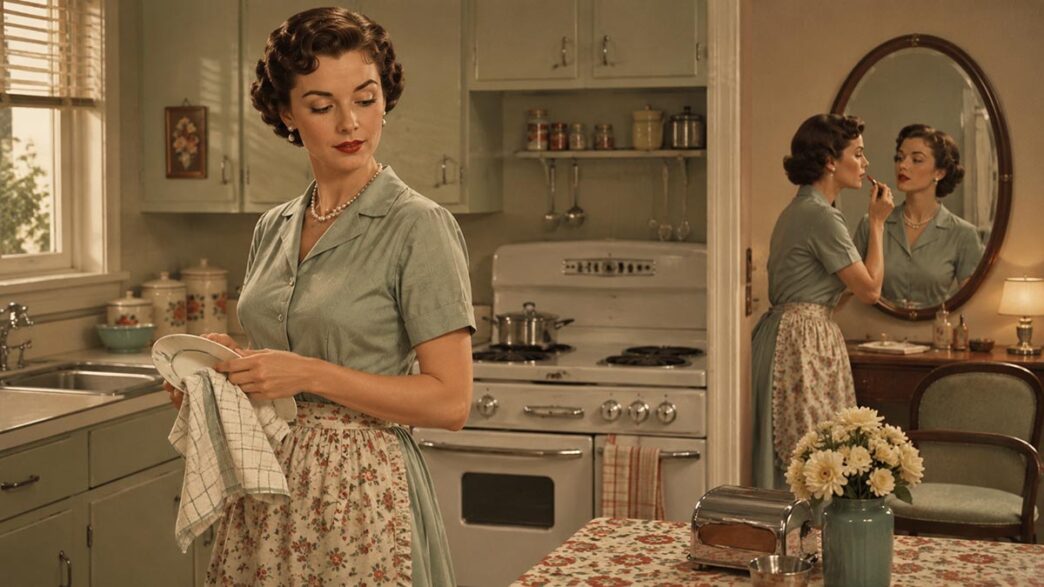
These were the choices once given to young girls – choices which shaped their careers, lives and futures. But they were not really theirs at all. They were encouraged by an advertising industry dominated by men and constrained by rigid gender norms.
Edith Cowan University School of Arts and Humanities Senior Lecturer, Dr Catherine Archer, said advertising had long been shaped by those in control who had a particular view about what they wanted to see represented.
She said this had often resulted in narrow portrayals of women, including being confined to either the mother role or the sexual role.
While those patterns still linger, the industry is beginning to shift.
Working at the helm of a female-led brand design and digital marketing agency, Future Proof Agency Director and Lead Strategist Kate Hedges said she believed advertisers had a responsibility to expand what was possible for women, breaking the pigeonhole effect of caregiver or object.
“I come from a background in an advertising agency, which was – at the time when I was there – very masculine led,” Ms Hedges said.
“Having women in the room just completely changes the conversation.”
In a world where media does not just reflect reality but also helps to construct meaning and representation in society, advertisers have the power to challenge stereotypes and shape more inclusive narratives, including challenging assumptions about what women can be.
“We can’t rely on having assumptions anymore because in the advertising space, we don’t just sell products – we’re selling the idea,” Ms Hedges said.
“One way we can do that is by showing a broader, diverse and honest range of women across a variety of different things.
“It gives people representation and permission to see themselves reflected in advertising or see advertising differently.
“If we sell women into a direction which doesn’t align with themselves internally, it can have consequences in the choices they make.
Ms Hedges said whilst representing women in aspirational ways is important, it also matters who is making the decisions behind the ads.
This means even if women are shown positively, the people creating and approving the ads still influence how women are represented.
“We have a responsibility to be authentic,” she said.
“We also have a responsibility to transform the narrative.
“Are we challenging these outdated stereotypes and are we promoting lasting change?”
Isla Tomlinson

Isla Tomlinson is a Bachelor of Journalism and Broadcast Media student at Edith Cowan University. Driven by curiosity and empathy, she is passionate about making news more accessible and engaging for younger generations.