The Australian Association of National Advertisers’ (AANA) new Environmental Claims Code, which came into effect on March 1, sets out strict expectations for brands making sustainability claims.
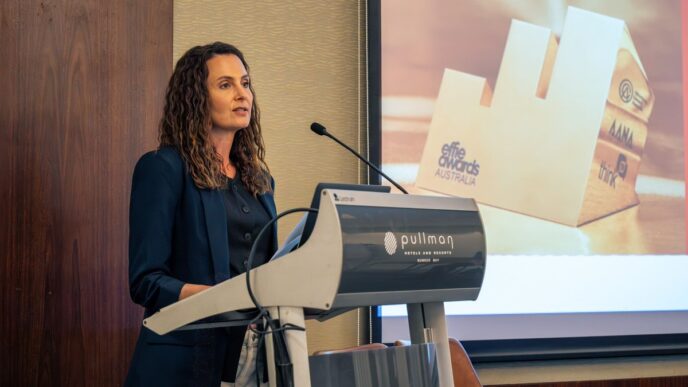
Advertising Council Australia WA State Manager Melissa Vella said the code was developed in response to a rise in complaints about green advertising.
“When you talk about Ad Net Zero and climate promises, you’re tapping into something deeply emotional,” she said.
“These claims reach into hope, ethics, urgency and public trust.
“A vague or overstated line can easily tip into greenwashing and undermine credibility.”
The code requires advertisers to be truthful, hold evidence, avoid sweeping language and ground future targets in realistic plans.
To help agencies meet these standards, a detailed accompanying Practice Note expands on the code, addressing issues such as compostability, offsets and emissions-related statements.
Ms Vella said WA agencies were already responding, with some leading the way – including Berlin, which channels 20 per cent of its time and profits into pro-social and environmental projects.
But progress remains uneven.
“WA continues to sit at the top of the country’s emissions profile, and this reality weighs heavily on our industry,” Ms Vella said.
“Agencies here are also balancing multiple other business priorities – from talent retention to digital transformation – which can make sustainability feel like one more challenge on an already crowded agenda.”

The new framework is designed to work alongside the Australian Competition and Consumer Commission’s (ACCC) advice on environmental claims and its enforcement powers.
“The code is our rulebook for responsible advertising,” Ms Vella said.
“The ACCC provides the statutory backstop – it’s the regulator with legal teeth.”
Recent rulings by the Ad Standards Community Panel, which adjudicates complaints under AANA’s advertising codes, emphasise how advertisers must take care when making environmental claims.
One such case in May saw a complaint raised against Australian Gas Networks for an advertisement about renewable gas in kitchens, stating the way the gas product was described as renewable was inaccurate and misleading.
In its review, the Community Panel concluded the advertisement breached Section 1 of the Environmental Claims Code, leading Australian Gas Networks to remove the advertisement and state it would give the feedback further consideration.
For Ms Vella, cases like this are a turning point.
“With the new code in place and enforcement stepping up, environmental proof will need to be treated like any other high-stakes claim – evidence first and narrative second,” she said.