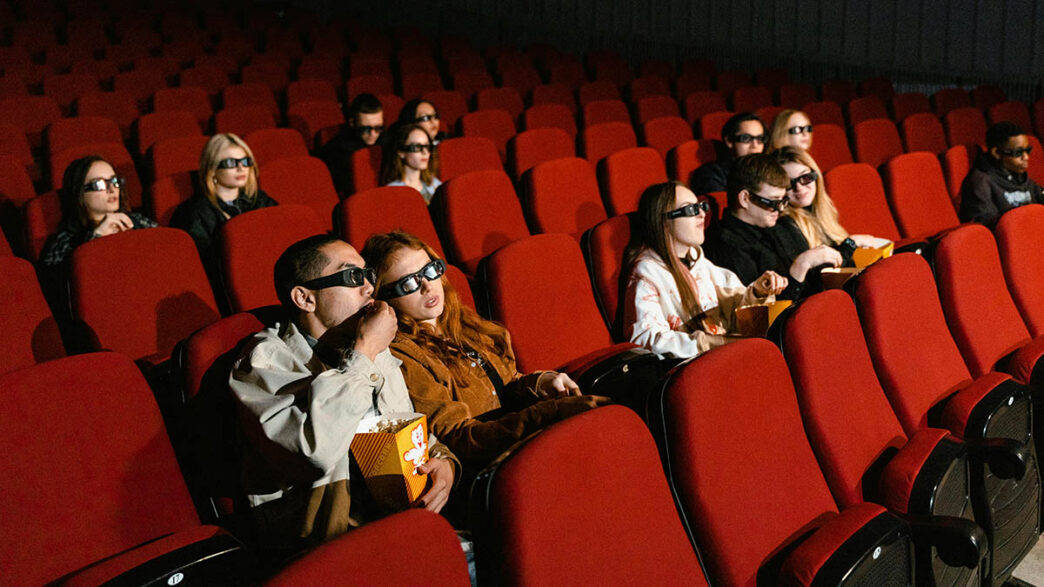
The cinema industry is experiencing a notable resurgence, with global ticket sales up by 23 per cent from last year.
Already in 2026, films like Emerald Fennell’s ‘Wuthering Heights’ and ‘The Super Mario Galaxy Movie’ are causing audiences to flock to the cinema.
According to a new Fundango study, it’s the younger audiences who are driving the cinematic momentum.
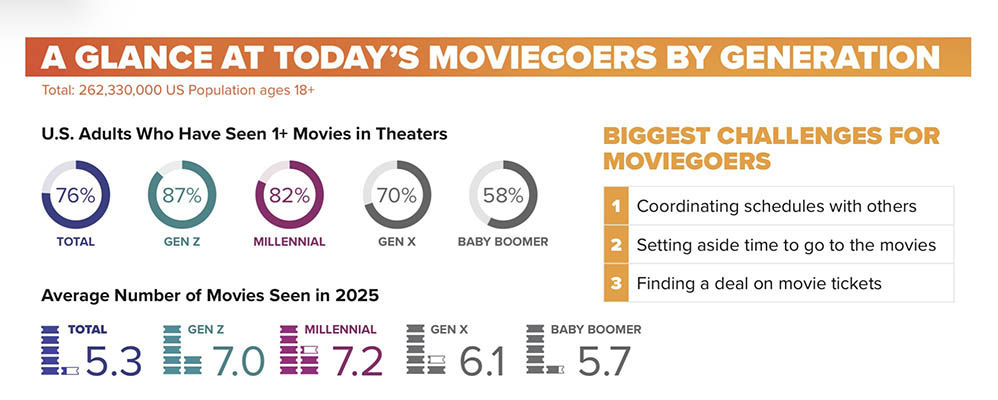
87 per cent of Gen Z and 82 per cent of Millennials have seen at least one movie in cinemas over the past 12 months.
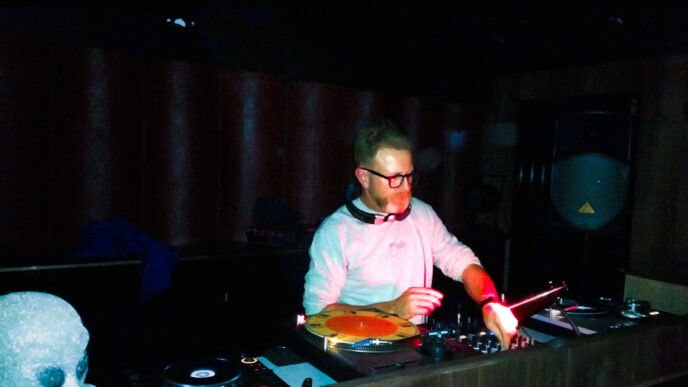
Benjamin Quirk works at the Luna Palace Cinema in Leederville and suggests the renewed interest reflects the demand for shared entertainment experiences.
“I would say it’s just more about community experience and it’s engaging with others.”
“It depends on the type of film, but it is really exciting and invigorating to watch and react in real time with other people,” he says.
However, Mr Quirk has seen from his own experience that it’s not just young people coming in.
“Definitely where I work at least, [cinema is] more popular amongst adults or senior citizens.”
“Young people are still coming, but maybe just not as overwhelmingly or as consistently as what I’ve seen from older generations,” he says.
One reason for varied attendance could be the over cost of going to the cinema.
The average movie ticket in Australia can generally range from $10 to over $25 for adults.
Costs such as movie snacks and parking can also make going on an expensive trip.
“I understand if the cinema wants to be able to make money, they have to charge things up a certain amount.
?“So it’s kind of like a double-edged sword in a way,” says Mr Quirk.
Tyler Rollinson is a member of the WA Film Society, and believes that cinemas need to keep the cost down to encourage people to keep coming through their doors.

“I think it’s one thing to have an audience, it’s another thing to retain an audience at a specific theatre.”
“I think if we keep on having tickets traject upright, you’re going to sort of spur the moment.”
Factors such as these could cause the popularity of cinema to be a temporary shift rather than a long-term change.
“The only thing I worry about that could cause the theatrical experience to regress and go back to sort of its struggling nature in a couple of years is if the generation after the current doesn’t carry that on.”
However, he suggests that if the film industry continues to create unique films, then audiences will continue to go to the cinema.
“As long as there’s films that intrigue audiences, that challenge them, that, you know, are unique enough that audiences don’t get sick of them, that’s ultimately what’s going to bring people in,” he says.
Ariana Koskela-Reyes

Ariana Koskela-Reyes is a third-year Bachelor of Global Media and Communications student at the University of Portsmouth in the United Kingdom. She is currently on exchange at Edith Cowan University as part of a dual degree program, majoring in Journalism.