
Three hikes in rates have effectively erased the three cuts introduced in 2025.
With interest and inflation rates rising to slow Australia’s economy down, many of the big banks increased their home loan rates on May 15.
9News reported home loans have risen by ten per cent in the last year.
However, the Reserve Bank has warned Australians that further rise in inflation is expected over the next six months, even with the most recent interest rate rise.
Global shocks, local drivers
Due to the conflict in Iran, fuel costs increased by thirty-three per cent from February to March.
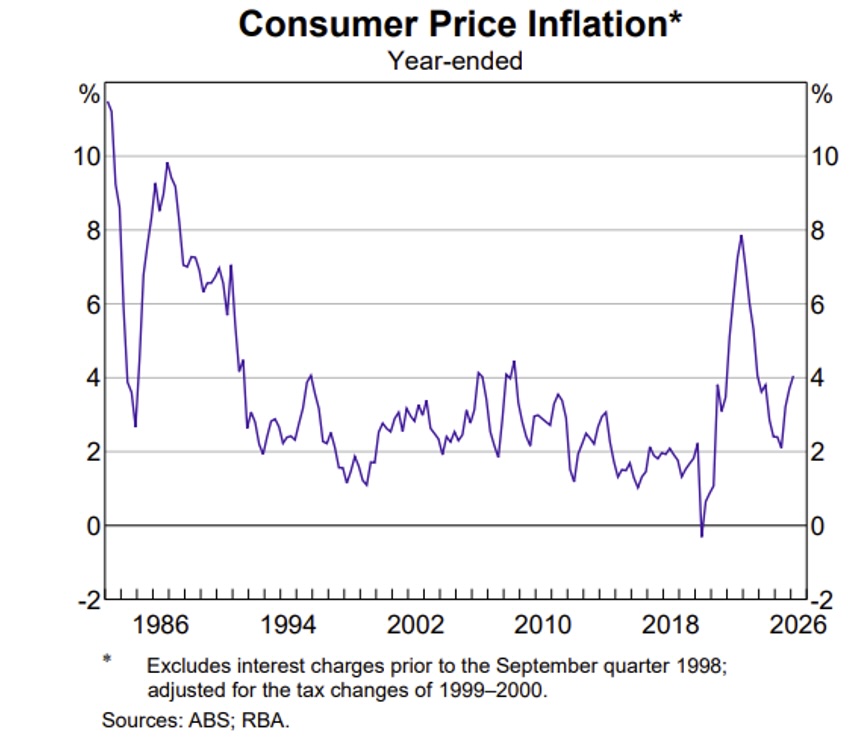
However, economics professor Peter Robertson said while the conflict in the Middle East is quite big, the inflation rate is a homegrown issue.
“All we’ve really seen is the increase in petrol prices… that’s not what’s driving the inflation headlines.
“Inflation was running around 4 per cent before the Middle East conflict.”
This recent interest rate rise has mortgagees concerned about how they’ll keep up with their repayments.
Mortgage stress spreading
Melanie Hopkins, CEO of the Financial Counsellors’ Association, said there’s been a large number of people seeking help.
“What the National Debt line is reporting that there is definitely a spike because obviously we’ve had a couple of rates rising in succession.
The biggest shift is that there is a lot more double-income families reaching out for help… the demographic of people struggling is just a lot wider.”
Budget relief, but delayed
During the federal budget, Treasurer Jim Chalmers announced several tax changes, such as an instant $1,000 income tax deduction.
There will also be changes to capital gains and negative gearing to help first-home buyers.
The budget aims to level the playing field between generations when it comes to wealth distribution.
The Reserve Bank of Australia said the government providing Australian households with cost-of-living relief will make it harder to reduce rising inflation.
But to manage the risk of inflation, the government announced these cuts will not come into effect until 2027/28.
Can policy ease the pressure?
Prof. Robertson is sceptical the budget will mitigate inflation risks and or benefit everyone evenly.
“It would be better for everybody if the government reduced its spending, because even if that means there are less benefits from the government, the pain is more evenly spread around.”
While interest rates are expected to hold over the next couple of months, if inflation continues to rise the RBA may rise rates again.
But Ms Hopkins is worried about the knock-on effect.
“If the Reserve Bank increases interest rates a lot, then it could trigger a recession.”
The CEO is encouraging people to reach out and get help if they’re struggling financially.
“There is no shame in getting some support,” said Ms Hopkins.
If you or someone you know needs financial support, please contact the National Debt Helpline here: PH:1800 007 007 VISIT: www.ndh.org.au