Australia’s love affair with plants has continued well beyond the COVID-19 lockdowns, with indoor greenery, backyard gardens and growing collections becoming part of everyday life.
For some, plants are more than decoration. Caring for them provides a sense of calm, connection and even companionship.
A rehabilitators passion for plants
Contract management supervisor for rehabilitation Jesse Whitelaw said looking after plants gave him a sense of grounding and offered him peace in a busy FIFO life lifestyle.
“Looking after my plants is one of the best forms of stress management I’ve ever found”, he said.
“Having something that encourages you to slow down and be present is incredibly valuable,” Mr Whitelaw said.
For Mr Whitelaw, his shared passion extends into his relationship with his partner.
Wellness small business owner and partner of Mr Whitelaw, Zyann Attard said
Her love for plants grew when meeting her partner and seeing him thrive in his passion for his plant babies.
“Him trusting me with his plants and my responsibility for them when he works away makes it nice for me to do that for him,” she said.
“Being able to take of something that means so much to someone that you love and to be trusted with that is such a beautiful thing to share, Ms Attard said.
Mr Whitelaw agreed that looking after plants created a bond with Ms Attard.
“I think it’s beautiful watching Zyann learn about plants and develop her own interest in caring for them.”
“Seeing her take the time to understand what each plant needs and watching her enjoy the process makes me incredibly happy,” Mr Whitelaw said.
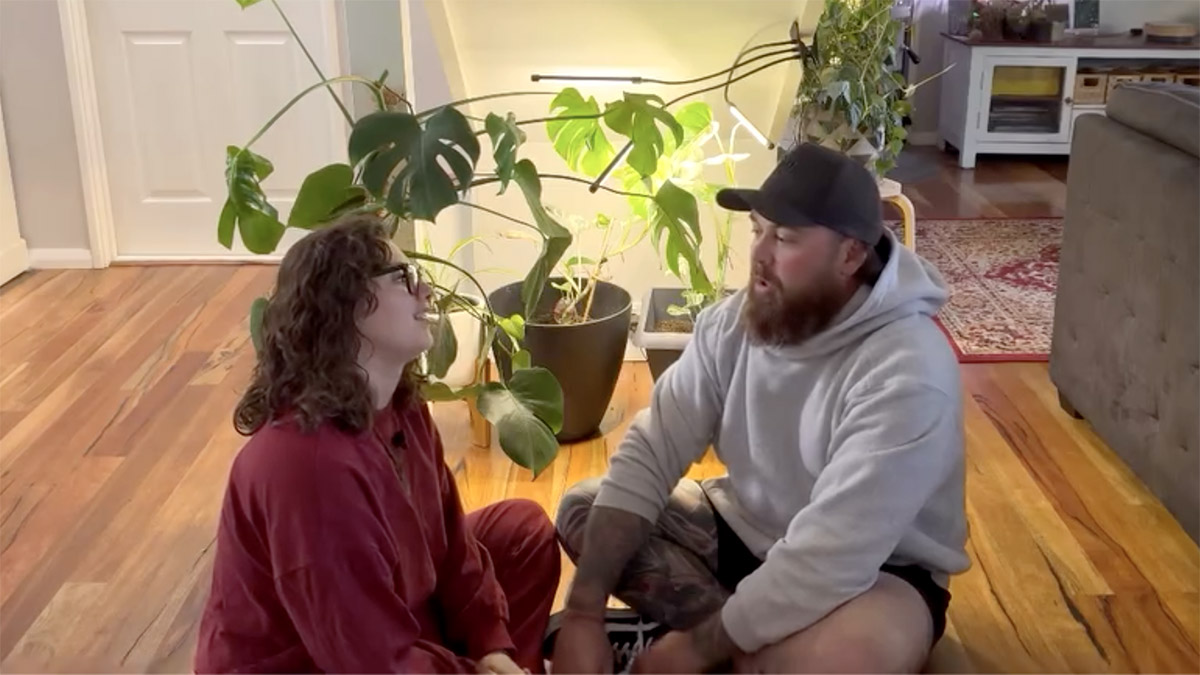
Mr Whitelaw’s love for plants wont stop growing.
He believes that plants have their own personality, bringing a sense of individualism to them of their own.
“Plants bring something different to each space, so it’s hard to stop at just a few.”
Mr Whitelaw plans to expand his plant passion.
“My dream is to eventually have a greenhouse where I can expand my collection and create the perfect environment for growing all kinds of plants.”
“I’d also love to get into hydroponic vegetables,” he said.
Good for wellbeing
Greenlife Industry Australia found production nurseries recorded a three percent year-on-year increase in total sales and supplying an estimated 2.13 billion plants across the nation.
Ironwood Institute reported that the Melbourne International Flower and Garden Show revealed that 93 per cent of respondents said being outside and gardening positively impacts their mental health and overall wellbeing.
For some plant lovers, the pandemic saw an upswing in the growth of plant purchasing and growing.
A Sustain team survey reported 62 per cent of participants in felt it was “very important” to be able to do gardening during the pandemic. 19 per cent said it was “extremely important” and had felt they couldn’t do without their garden in that time.
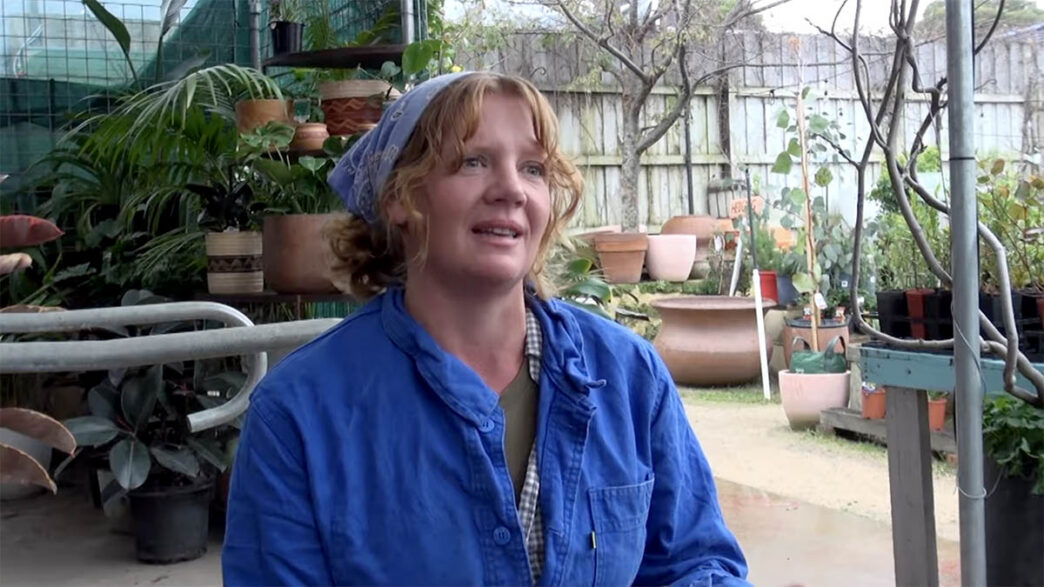
Executive Office of Greenlife Industry WA, and Chief Landscape designer at Inspire by Nature Lisa Passmore agree’d that gardening interest increased over the pandemic.
“Driven by the extra time spent at home and a sense of being “stuck indoors”, for many, that interest has endured.”
“Most likely because they could feel the benefits of reconnecting with nature and the value of looking after something beyond themselves,” she said.
Plants a growing trend
Ms Passmore said plants trends have seen growth because of their ability to educate plant lovers on facts about the world plant science.
“It opens up a whole world of cool facts and interesting information, the science of how plants function and grow (light, nutrition, growing media) to their parts down to a cellular level, it never gets old.”
“There is always, always something new to learn,” Ms Passmore said.
Ms Passmore’s passion and expertise in horticulture led to exploring the growing role of plants in Australian homes.
“The most compelling reason is their ability to purify the air we breathe inside our homes, in restaurants, cafes and workplaces, she wrote in an article for Home Base Magazine.
“The biggest culprit is a group of carbon-based compounds referred to as V.O.C (Volatile organic compounds) that easily evaporate at room temperature,” she wrote.
Ms Passmore informed readers about the air quality within closed spaces.
“Indoor air quality is affected by the presence of pollutants, concentrating and re-circulating inside well sealed buildings.”
“Air pollution is up to 10 per cent worse inside our buildings than it is outside,” she wrote.
In addition to providing better air quality in homes the power of social media has also help propel sales.
“It’s a great way for collectors and enthusiasts to share knowledge and images of their plant passions.”
Ms Passmore said to be mindful when seeking information second hand from social media.
“There is also a lot of misinformation and bad advice out there.”
Ra Castel

I am a journalist student at ECU, YouTuber and Content producer with over 249K views on TikTok, 25K+ views on Instagram reels and posts and 4k views on YouTube. My intent for my works to progress into more video journalism that will cover all sorts of topics from entertainment and breaking news. Other journalist mediums I am interested in diving into are podcasting, radio and content creation. You can find me on all social media platforms and Linkedin for more content.