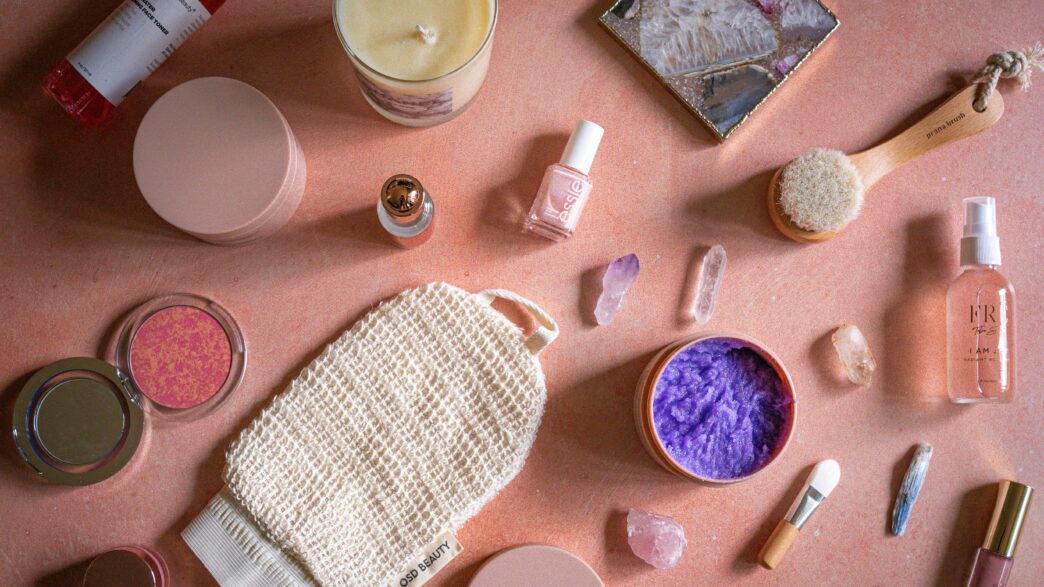
Walk down the personal-care aisle of an Australian supermarket and the divide is easy to see.
On one side are pastel-coloured razors, floral deodorants and shampoos marketed towards women. On the other side are darker bottles and products promising ‘sport, ‘ice’ or ‘extreme freshness’ for men.
They may serve similar purposes, but are women paying more?
The idea has become known as the ‘pink tax’, a term used to describe price differences between products and services marketed towards women and comparable ones marketed towards men.
The pricing gender gap
A US study published in Marketing Science examining gender-based pricing found more than 80 per cent of personal-care products sold in its dataset were targeted towards a particular gender.
Women’s body wash had an average shelf price of $5.28, compared with $4.47 for men’s. Women’s deodorant averaged $4.93 compared with $4.59 for men’s, while women’s bar soap averaged $4.66 compared with $4.31.
The gap was even greater when price was measured by unit. Women’s deodorant averaged $2.02 per unit compared with $1.51 for men’s, while women’s body wash averaged $0.51 compared with $0.28.
For bar soap, women’s products averaged $0.48 per unit compared with $0.23 for men’s more than double the price.
While shelf price is what customers pay for the whole product, unit price considers how much product they receive. This means women were not only paying more at the checkout in these categories but also paying more for product they were getting.
But paying more for some products is only part of the cost.
For young women, the expenses can also come from the number of products they buy in the first place.
University student Sabrina Blanc says her regular expenses include skincare, makeup, haircare and period products.
“I feel like there are just more things I have to buy,” she said.
“Every month I spend money on skincare, makeup and period products, and then there are things like getting my hair done or buying new products when they run out.”
While some of these purchases are necessities, others come down to personal choice. But Blanc said there can also be an expectation for women to spend more on their appearance.
“There is definitely some pressure to look put together,” she said.
“You don’t have to wear makeup or get your nails done, obviously, but I think for girls there are more expectations around how we look.”
She said the difference becomes particularly noticeable when she compares her routine with some of her male friends.
“Some of my guy friends use maybe a face wash, deodorant and shampoo, and that’s basically it,” she said.
“For me, there are so many little things, and individually they don’t seem that expensive. But when you add everything together, it becomes a lot.”
Her experience shows the cost of being a woman is not only about paying more for a similar product. It can also be about how many products and services women feel they need to spend money on in the first place.
Making essentials more accessible
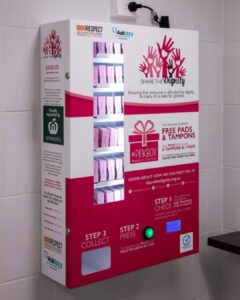
While some personal-care expenses are a matter of choice, period products are a necessity that comes with a recurring cost.
To help ease this financial burden, the ECU Student Guild has been providing free period products to students at its Joondalup campus.
According to the Guild’s Vice President of Social Responsibility, Masoumeh Alikhani, a vending machine was installed in November 2021 and has been operating since February 2022.
The machine holds approximately 59 packs of period products and is generally refilled each month.
Free pads and tampons are also available through the Guild office. However, Alikhani said some students are still unaware of the service. Students at other campuses, including ECU City Campus, can also approach the Guild office to ask for the products.
The Guild is also looking to expand its support through other free essentials, including sunscreen, condoms and HIV self-testing services.
While these initiatives may not solve the broader issue of women facing additional expenses, they show how university communities can help make everyday necessities more accessible.
For students balancing rent, tuition and everyday living costs, access to free period products can remove one recurring expense.
While initiatives such as the Guild’s cannot eliminate the broader financial pressures associated with gender, they can help ensure essential products remain accessible to students who need them.
Genyvra Caecillia

Genyvra Caecillia is a Journalism and Broadcast Media student at Edith Cowan University. Passionate about news, politics, and storytelling, she enjoys producing meaningful stories that inform, engage, and connect communities.