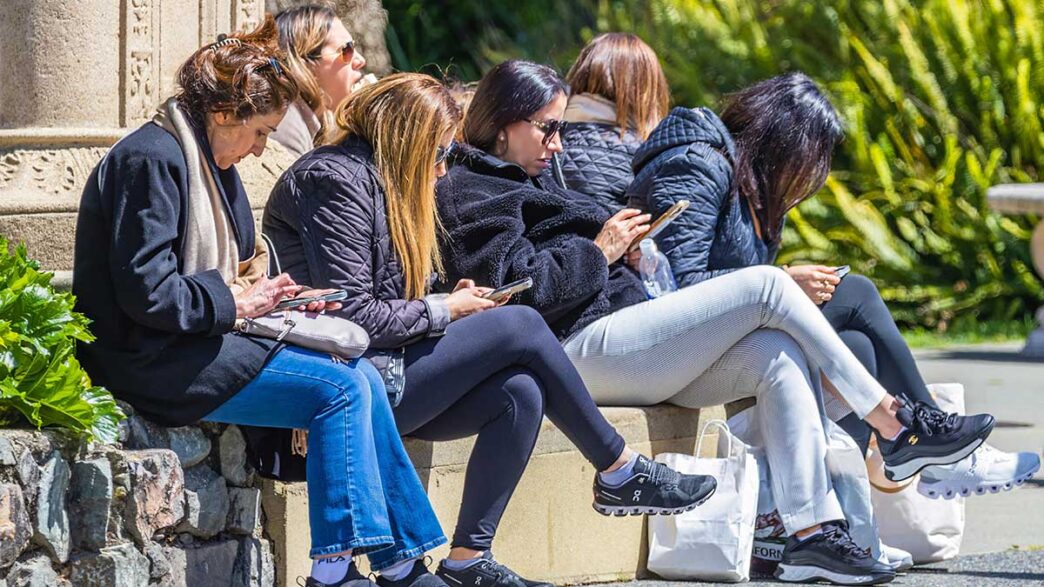
Born between 1997 and 2012, this generation uses social media not only to socialise, but to navigate the world, find entertainment and even make life decisions, like what to purchase.
According to SQ magazine, 94 per cent of Gen Z report they use at least one form of social media daily to ‘socialise’ in 2025.
Despite these statistics, there is an increasing feeling, expressed online, that Gen Z are lacking community.
With the phrase “Everyone wants a village, but no one wants to be a villager” sparking conversation.
@tinx? original sound – Tinx
In places that are supposed to be social, like universities, many people feel the weight of this statement, with 43 per cent of people aged 15 to 25 report feeling lonely.
Olivia Messervy, a master’s student at ECU, acknowledges the loneliness epidemic but feels like many of her peers don’t want or know how to address the issue.
“No one really makes an effort to go out of their way and talk to people they see, like talk to people on the train or, you know, talk to someone passing by or even just compliment someone and start a conversation.
“People want to go to class, you know, get things done and don’t really collaborate much outside of that,” she says.
Academic pressure also means that some students feel that they don’t have time for hobbies and outside activities, adding to the issue.
Online vs in person connection
ECU Psychology lecturer, Dr Jayden Greenwell-Barden suggests that people express a desire for belonging, but do not have the willingness to act on it.
“People may not want to put themselves out there to make friends or put the effort into maintaining connections, could be out of apathy, or fear of it not being reciprocated.”
“Building community is good online but making friends and reaching out to people in person, those social skills are probably more difficult,” he says.
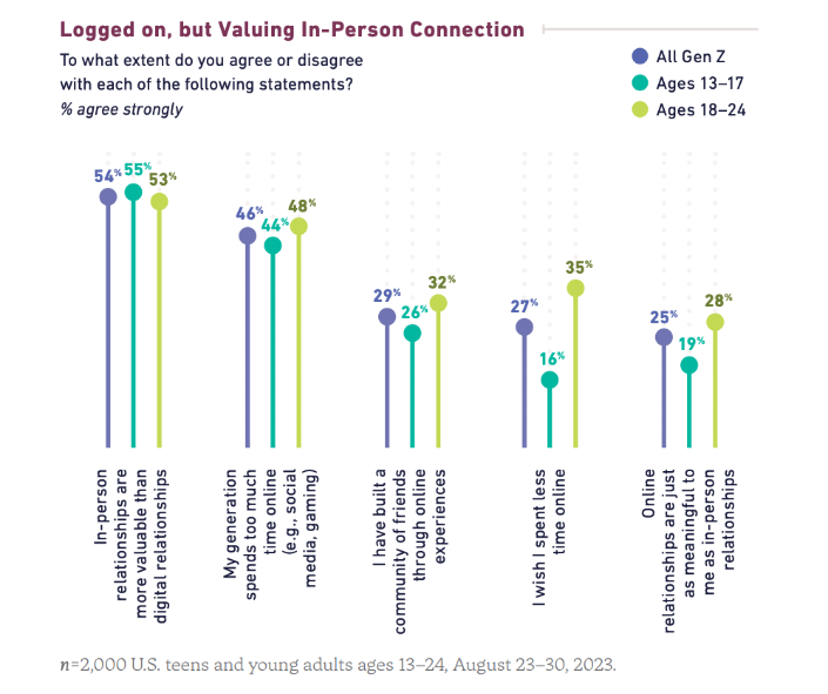
Dr Greenwell-Barden states human connection is “fundamental to psychological well-being” and cannot be replaced by online connection.
“Often if it’s through chat rooms or chat groups, people aren’t talking, you know, moment to moment responsiveness and that removes the sense of connection.”
He encourages people to make connections with people in person and create relationships outside of the online communities.
The cost of socialising: Where can you go to socialise?
Unlike a person’s home (first space) and work (second place) a third space is where people can engage in communities and socialise.
These can include coffee shops, the beach and parks.
For a place to be considered a third space it should be on neutral ground and have little financial obligations.
While Ms Messervy acknowledges that these ‘third spaces’ exist, she feels that these spaces come with their own obstacles.
“I think another big thing too is the cost is a really big barrier, because if you want to hang out in a cafe, let’s just say, it’s gonna cost you money to get a drink, to sit there.”
In Perth, there are also social groups like run clubs or morning swim groups which aim to help young generations make genuine connections but many of them are inaccessible to get without cars.
“I think the main issues are there’s not enough variety, it’s not accessible enough and also the cost of them,” says Ms Messervy.
While many Gen Z crave a ‘village’, until connection feels accessible, affordable and reciprocal, many will keep searching for their community.
Ariana Koskela-Reyes

Ariana Koskela-Reyes is a third-year Bachelor of Global Media and Communications student at the University of Portsmouth in the United Kingdom. She is currently on exchange at Edith Cowan University as part of a dual degree program, majoring in Journalism.