When a woman leaves a violent relationship, it can become the most dangerous moment of her life.
In Western Australia, that danger is playing out with alarming frequency. In the first months of 2026 alone, multiple women have been killed in alleged acts of violence, many by men known to them, reigniting urgent national attention on a crisis advocates say is both persistent and preventable.
Family and domestic violence (FDV) in WA has reached record levels, with more than 42,000 offences recorded in 2024–25, an 18 per cent increase in one year, according to WA Police figures reported by the ABC.
Nationally, the picture is equally stark. The Australian Institute of Health and Welfare reports that one woman is killed by an intimate partner every 11 days on average in Australia, with many deaths preceded by known patterns of coercive control, physical violence, stalking, and escalating abuse.
Over the past decade, reported incidents have surged dramatically, reflecting both growing awareness and what many experts argue is an escalating systemic issue.
For more than a decade, journalist and Australian Femicide Watch founder Sherele Moody has documented these deaths individually, recording more than 1,300 women and girls killed by violence in Australia since 2000.
Moody argues these killings are rarely isolated tragedies.
“Too often, their deaths are swept aside and forgotten,” she said in her public call for a Royal Commission into femicide, arguing systemic failures continue to underpin Australia’s violence against women.
Her Australian Femicide Watch project has become one of the country’s most visible independent records of gender-based killings, mapping deaths that reveal recurring patterns too often obscured by individual headlines.
The danger of leaving
Both national data and independent tracking reveal that separation is one of the highest-risk periods for victim-survivors.
AIHW data identifies intended or actual separation as a key risk factor in intimate partner homicide. In more than half of cases involving a male perpetrator killing a female partner, the relationship had ended or was in the process of ending.
For many women, the decision to leave violence can escalate danger rather than end it.
Front-line services under pressure
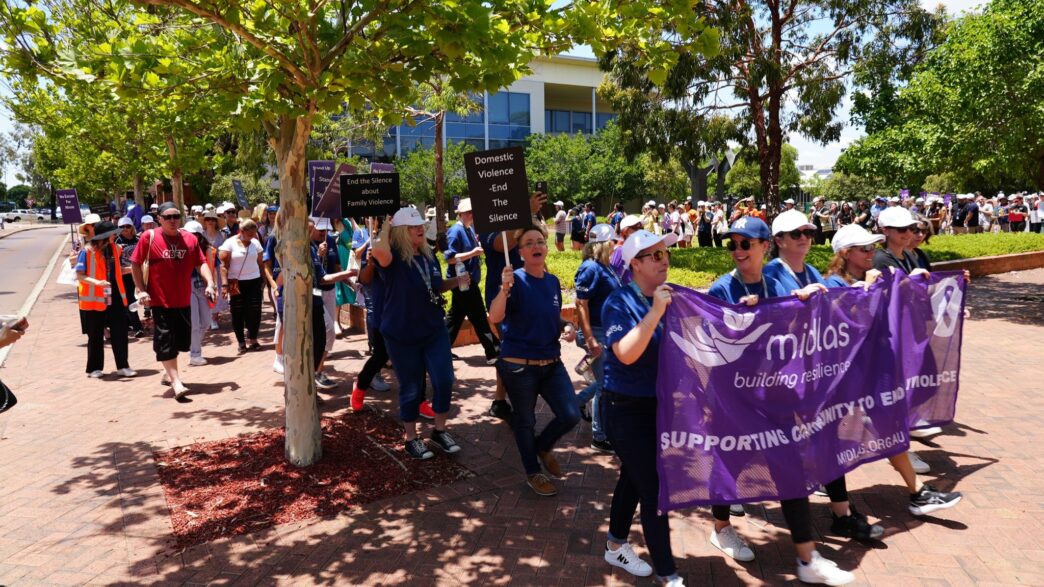
Midland-based ERICA Women’s Centre says this risk is reflected daily in the women seeking support.
Approximately 70 per cent of ERICA’s clients are women who grew up in domestically violent households, have experienced violence in previous relationships, or are currently living in violent situations.
Counselling staff say they have seen increasing numbers of women seeking support in recent years, with immediate barriers including safety concerns, protecting children, securing housing, accessing finances, and navigating legal and family court systems.
Despite relatively short waitlists, ERICA says stronger early education around coercive control, increased refuge capacity, and better coordination of trauma-informed support services are urgently needed.
In February, Greens MLC Jess Beckerling described family and domestic violence as an “emergency-level threat” to Western Australian women and children.
“Stop treating this like a social problem that needs managing and start treating it like the emergency it is,” Beckerling said.
She noted that in WA, an incident of domestic violence is reported every 12.5 minutes, while women and children remain most victims.
Government response and refuge expansion
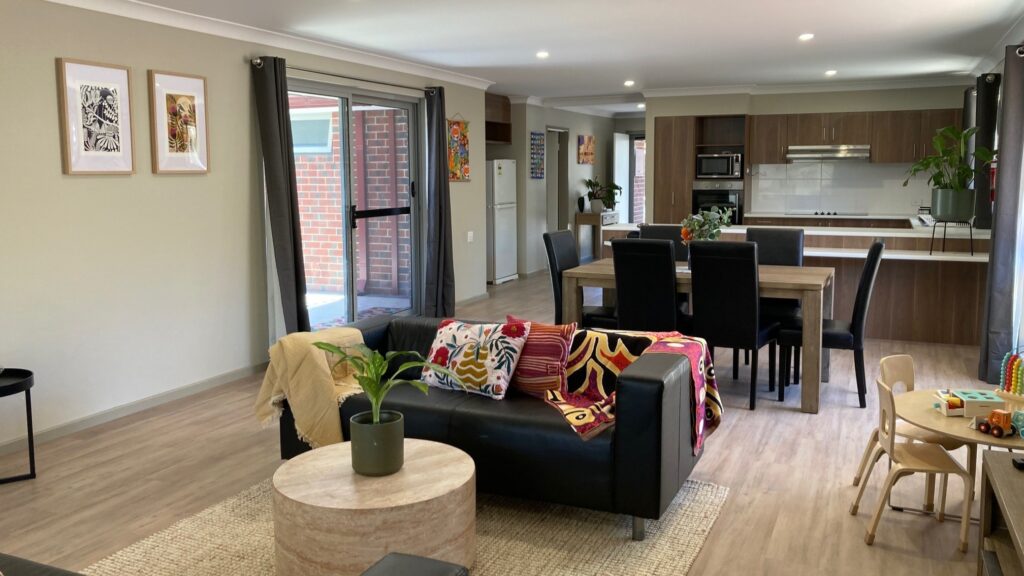
The State Government committed $3.7 million over three and a half years toward the new Bindi Bindi Mia Refuge in Midland, opening earlier this month.
The refuge, operated by Indigo Junction, contains five crisis accommodation units and trauma-informed support services for women and children escaping violence.
Midland MLA Steve Catania said access to safe, timely, and culturally appropriate support remains critical for victim-survivors.
“Demand for services can exceed supply, and that is why our Government’s commitment to preventing and eliminating all forms of family and domestic violence is unwavering,” Catania said.
He said the Cook Government had committed more than $250 million in new funding, alongside expanded frontline services, legislative reforms, and long-term system planning aimed at improving safety and recovery pathways.
Catania described the opening of Bindi Bindi Mia as “an important step forward” that would provide “vital support for women and children.”
Systemic gaps remain
Yet critics argue that recognising risk is not the same as preventing death.
Recent WA coronial findings, including the inquiry into the murder of Lynn Cannon, have highlighted delayed intervention, communication failures, and systemic pressures even when warning signs were present.
For many advocates, this reflects a dangerous gap between policy and practical protection.
Beckerling said Indigo Junction alone was forced to turn away 1,500 women seeking crisis accommodation last year because of capacity shortages.
“Last year alone, Indigo Junction had to turn away 1,500 women who needed crisis accommodation, not because their situations weren’t serious, but because there was literally nowhere for them to go,” she said.
For advocates and frontline services alike, the issue is no longer awareness.
Preventing femicide requires sustained investment in crisis housing, specialist counselling, perpetrator intervention, prevention education, and coordinated support systems that respond before violence escalates to homicide.
“Unless we resource the work to stop violence before it starts, we will keep seeing governments focusing on telling people to wear orange socks during the 16 Days in WA campaign while women are turned away from refuges, perpetrators walk free, and the cycle continues unchanged.”
If you or anyone you know needs help, support services are available:
- Lifeline – 13 11 14
- 1800RESPECT – 1800 737 732
- Women’s Domestic Violence Helpline – 1800 007 339
- Men’s Domestic Violence Helpline – 1800 000 599
- Kids Helpline (For people aged 5-25 years) – 1800 55 1800
- MensLine Australia – 1300 789 978
- Sexual Assault Resource Centre (SARC) – (08) 6458 1828 or free call 1800 199 888
If you or someone you know is in immediate danger, call 000.
Nicola Kinnane

Nicola Kinnane is a Perth-based actor studying at ECU. Alongside her creative practice, she writes on mental health and contemporary social issues, approaching journalism as an extension of her interest in character, empathy and lived experience.