More female drivers are stepping into rally cars, competing at grassroots events and national championship levels, proving that rallying is no longer reserved for one type of competitor.
Rally racing has long been considered one of motorsport’s toughest disciplines. Fast-paced, unpredictable and physically demanding, it pushes drivers to their limits across gravel roads and remote terrain. Traditionally dominated by men, rallying has felt intimidating for women wanting to enter the sport, but across Australia, that is beginning to change.
From local club rallies to larger national events, women are becoming increasingly visible within Australian rally culture.
Olivia Herridge, a media manager and presenter coming from a family background in rally, shares that “Women have always been in our sport, especially with co-driving. If there’s been a shift, it’s more so that they’re getting into the driver’s seat over the passenger’s seat now.”
Grassroots rallying is an especially important entry point for female competitors. Local events often create supportive communities where drivers, volunteers and teams work closely together, helping newcomers gain confidence and experience within the sport. Amelia Jordan, who started in rally four years ago at just 16 years-old, starting in Khanacross, was told “The easiest way to get into rally car was to be a co-driver, so that’s exactly what I did.”
One of the biggest reasons for this shift is visibility. Amelia says, “I think more women are getting involved in rally because of the awareness of the sport,” social media has allowed female rally drivers to share their journeys online, giving younger audiences the chance to see women actively competing in motorsport. For many girls interested in racing, seeing another woman behind the wheel can make the sport feel far more accessible and welcoming, “Being able to see public figures and icons within the sport that are female, really help promote women’s involvement and shows that it’s possible.”
Olivia shares that, “Motorsport in general is getting more mainstream media support than what it has previously had, and people are finding out what car clubs are near them. Being able to see things more prominently with social media, so more eyes are on rallying because more eyes are on motorsport in general.”
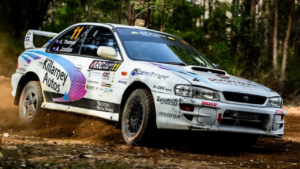
Female based initiatives and networking events have also helped encourage more women to explore careers and opportunities within motorsport. While these programs are not rally-exclusive, they have contributed to a wider cultural shift around inclusion and representation in racing, “Organisations like Girls on Track have been really great in that it encourages girls to find pathways to get them into the sport.”
Rallying is physically demanding and highly competitive, with the added challenges of stereotypes, criticism and pressure for women to constantly prove themselves in male-dominated spaces. “I haven’t noticed much change where women are involved, just the consistent few girls that do show up to events” Amelia says, “I think we’re the only all girl team in WA”. Amelia also shares her own experiences, describing it as positive, “I have found myself to be treated as a ‘competitor’ rather than a specified ‘female competitor’ for the most part… I think it’s pretty awesome to be a girl in the sport and to be able to show it doesn’t matter your gender, only your love and commitment for the sport.”
The rise of female rally drivers in Australia reflects a broader change happening across motorsport. Women are becoming more visible not only as drivers, but also as officials, photographers, engineers and media within rallying. Every woman entering a rally stage today is helping reshape the future of the sport and inspiring the next generation of Australian girls to believe they belong there too.