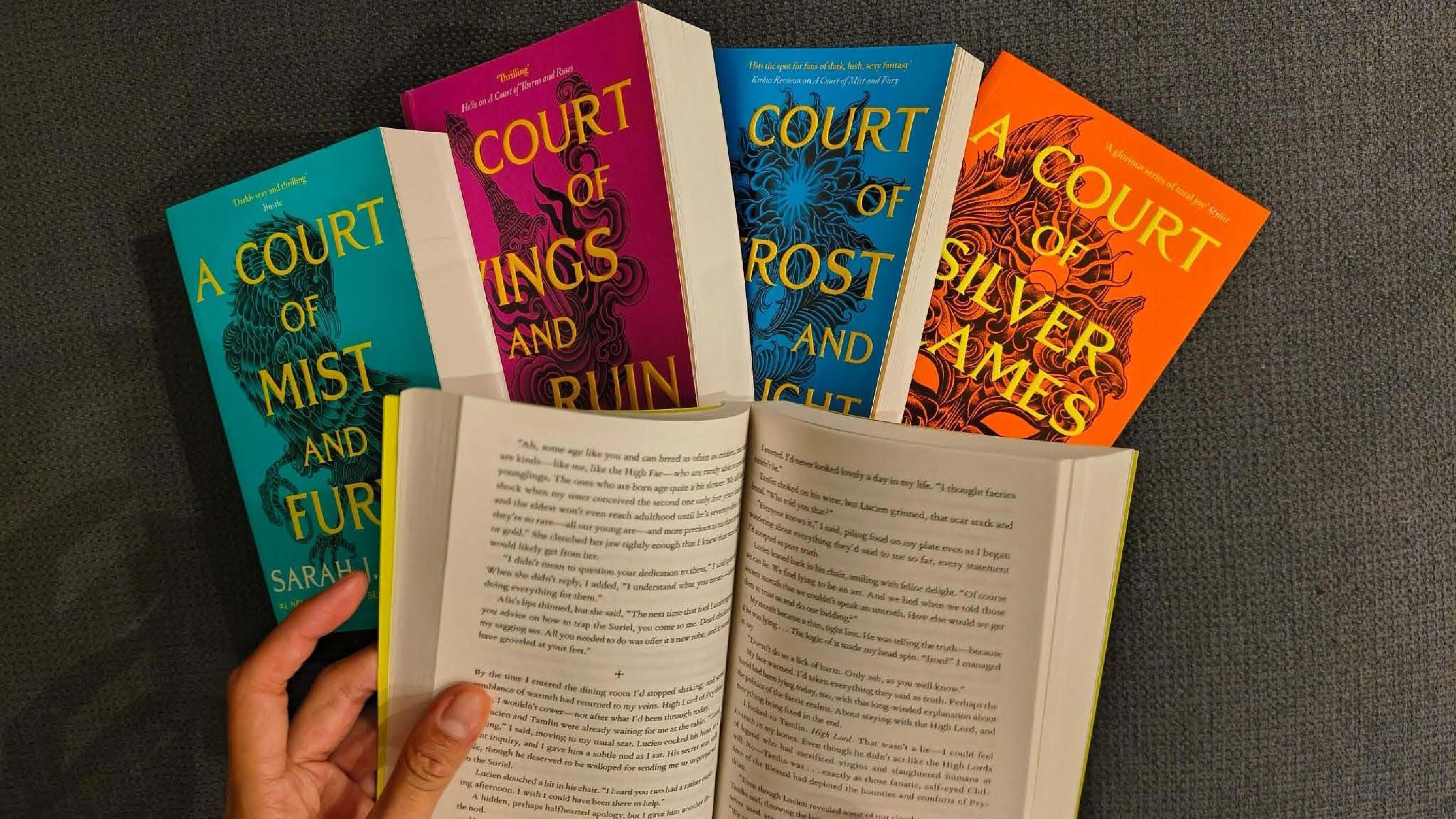
For many teen readers, the Young Adult (YA) section has always been a place to discover stories about first love, friendship and growing up. These books are often recognised by colourful, eye-catching covers that promise magical worlds, dystopian adventures and coming-of-age romances which have traditionally been written for readers aged between 12 and 17. However, as YA fiction has evolved and found a broader audience, questions are being raised about whether some books marketed as YA are still appropriate for younger readers.
Young Adult fiction has become one of the fastest-growing publishing genres, prompting debate about who these books are actually written for.
There have been raised concerns over mature content in books marketed towards younger teenagers, while others argue that adolescents are capable of engaging with difficult themes.
At the same time, adults have become one of the biggest audiences purchasing YA novels, making people ask questions about whether authors are writing for teenagers or the adults buying the books.
Unlike films and television, books do not have a universal age classification. Instead, publishers determine how titles are marketed, meaning two books sitting side by side in the Young Adult section can contain vastly different levels of mature content.
“Young Adult collections have changed a lot from where they first developed, as in more recent times, they are sometimes envisaged to encompass 14 to 25 year olds which has led to unsuitable material being included in the genre”, librarian Deborah Harding said.
“One thing I did notice is the inclusion of graphic novels, which are not generally suitable for YA collections and often need to be monitored or read by library staff beforehand, which usually doesn’t happen because they don’t have the time.”
The popularity of BookTok has further complicated the discussion. Readers often recommend books based on their emotional impact rather than their intended age category, making it easy for younger audiences to discover novels before understanding the mature themes they contain.
Series that have gone viral on social media as YA fiction frequently feature sexual content, detailed violence and heavier emotional themes, despite often being talked about alongside traditional YA novels.
Grace Sharman, who has been reading YA fiction since early high school, said she enjoyed the genre because it reflected experiences she could relate to.
“I like Young Adult fiction as a whole, because at my current stage in life it feels easier to understand what the characters are going through. But looking back, there were definitely books I read when I was younger that probably exposed me to things I wasn’t really ready for,” she said.
“I don’t think authors should avoid difficult topics because those conversations are important. But I do think readers should have a better idea of what they’re picking up before they start reading so that they can know what they are comfortable with.”
For many readers, the issue is not the books themselves but how they are categorised. As adult readers are currently the primary consumers of YA books, authors have increasingly turned to crossover novels, which appeal to readers of different age groups. That might expand the genre’s appeal, but it can also mean it’s harder for younger readers and parents to know what they’re getting into.
Some readers have suggested clearer content warnings or more defined categories separating Young Adult and adult fiction, rather than restricting access to these books altogether.
Whether today’s YA novels are still written primarily for teenagers or have become stories aimed at adult readers comes down to perspective and beliefs. What is clear, however, is that the question itself will never have one correct answer.
As publishing continues to evolve and social media continues to shape modern reading trends, the definition of Young Adult fiction will almost definitely continue to shift.