


For nursing student Lily Jessop, preparing for a career in healthcare means balancing university, paid employment and long hours of clinical placement.
But the financial pressures of completing mandatory placements are making an already demanding degree even more challenging.
As students across Australia prepare to enter essential professions such as nursing and policing, some are confronting the financial and emotional demands of frontline work before their careers have even begun.
With placements often requiring full-time hours, students are expected to complete hospital shifts without pay while still juggling university and limited paid work.
“I either start at 7:00am and finish at 3:30 or start at 12:00pm and finish at 8:30,” Jessop said.
“So catching public transport would mean waking up even earlier or getting home later.”
The Commonwealth Prac Payment (CPP), introduced in July 2025, provides financial assistance to eligible students completing mandatory placements in fields including nursing.
However, eligibility depends on meeting specific financial and other requirements.
Jessop said she does not qualify for the payment, leaving her to balance placement commitments with the need to earn an income.
“While this was supposed to be a so-called saving grace, it really does not cover a large population of Perth’s students,” she said.
“I’ve had to cut back on work just to make placement possible. It’s financially draining. I can’t even imagine working the extra hours as a qualified nurse, and still being paid the absolute bare minimum.”
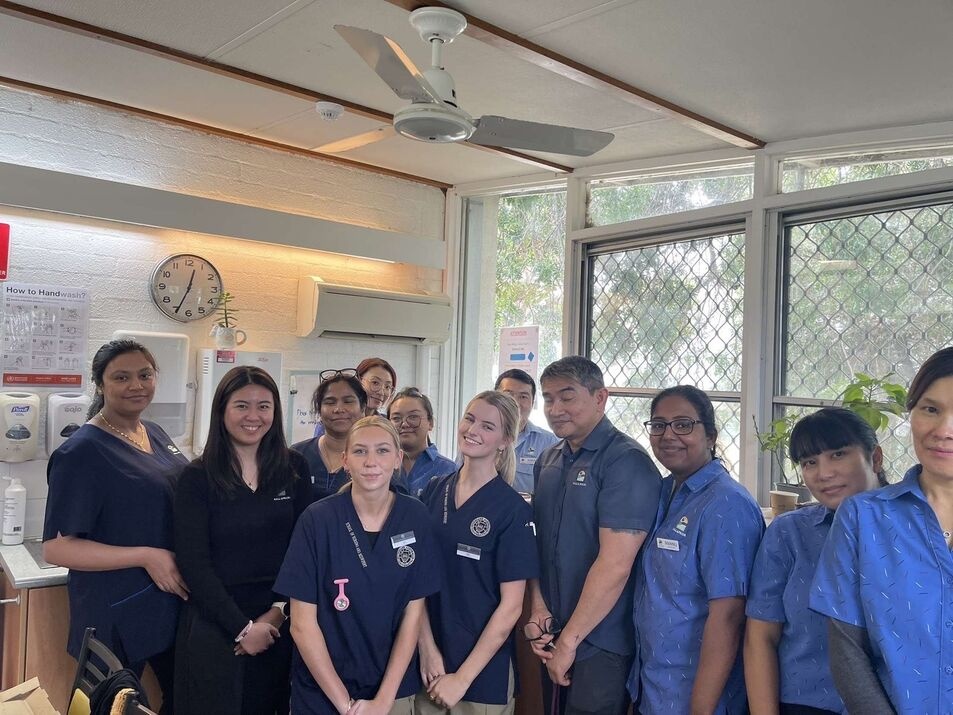
According to Healthcare Australia, nurses commonly work shifts lasting up to 10 hours. Staffing shortages can place additional pressure on nurses, contributing to emotional exhaustion and increasing workloads.
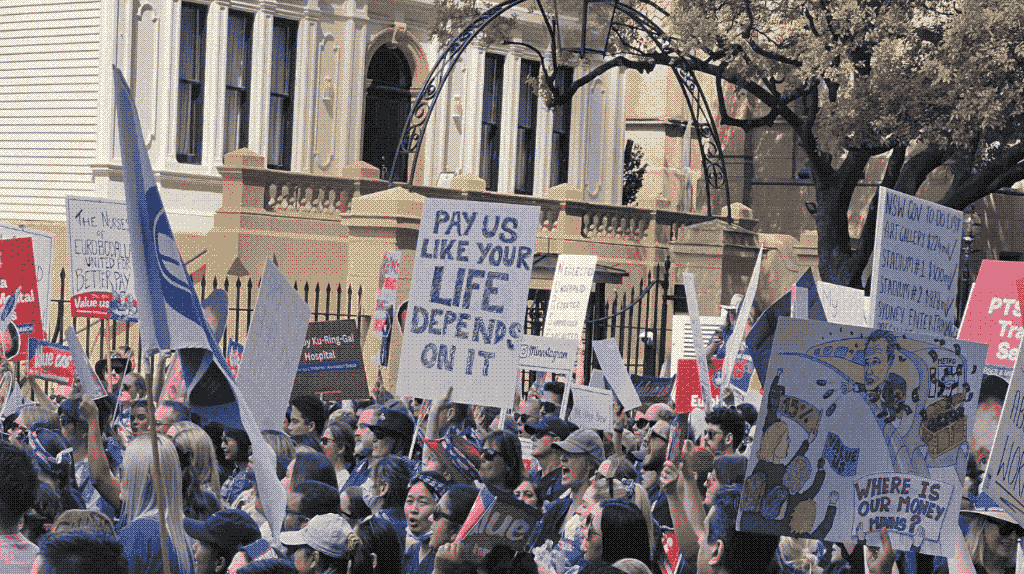
Industrial action in recent years has highlighted growing frustration within the healthcare sector.
In 2023, the WA branch of the Australian Nursing Federation was fined $350,000 following industrial action by thousands of nurses over pay and working conditions.
Similar concerns extend beyond healthcare.
Eloise Moala is studying criminology and is aspiring to get into the police force. She described the psychological and emotional strain she has observed in her prospective line of work.
“Officers I have worked with and learnt from have told us stories of living with psychological, emotional and even physical pressure due to dealing with quite distressing situations,” Moala said.
Police officers are frequently first responders to domestic violence incidents, mental health crises and serious accidents. Their shifts can be long, unpredictable and emotionally taxing, with officers often carrying the weight of what they witness long after their shift ends.
Despite the challenges, Moala says her desire to help others is what draws her to policing.
“I’ve always wanted to pursue a career in policing and criminology,” she said.
“Hearing stories from family members in the Australian police force about helping people and making a difference is something I’ve always wanted to do.”
Police unions across Australia have also taken industrial action over wages and staffing concerns in recent years.
Despite the financial pressures of clinical placement, Jessop remains committed to a career in nursing.
For her, the opportunity to make a difference to patients during some of their most vulnerable moments continues to outweigh the challenges.
“Making people laugh and smile while they’re in a really vulnerable state reminds me of why I still put in the hard work,” she said.
Siena Messer

Siena Messer is a journalism and broadcasting student at Edith Cowan University with a flare for arts, cultural and lifestyle journalism. With experience in high level commercial entertainment and communications she is passionate about connecting with people and telling meaningful, relatable stories for creative audiences.


