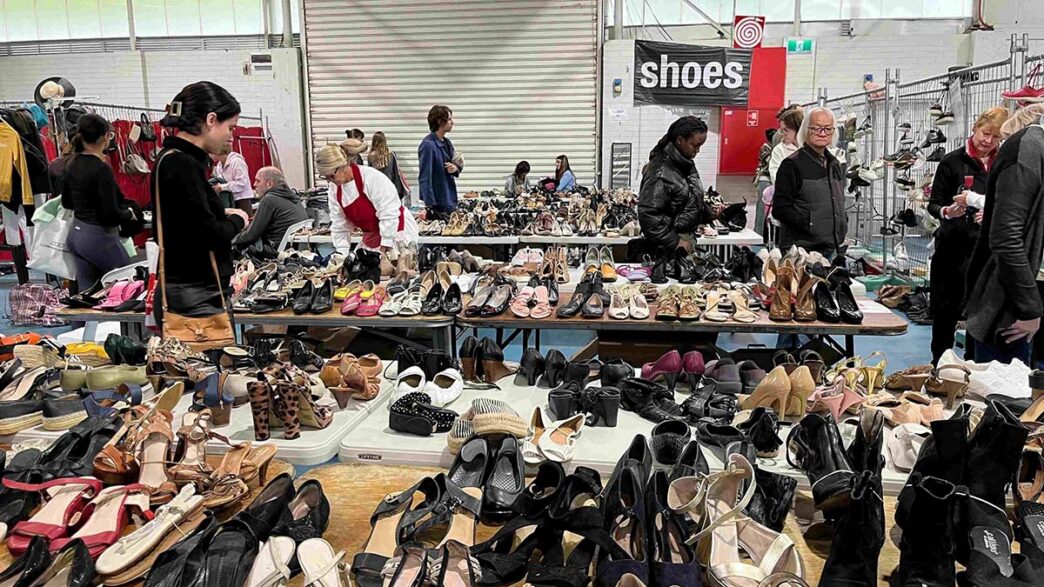
An ABC News report from July highlighted a massive boom in Australia’s second-hand resale market, driven by younger consumers and major platform shifts to apps such as Depop and Vinted.
For younger shoppers, these platforms offer an alternative to traditional retail, making it easier to discover pre-loved pieces and sell clothing they no longer wear.
However, it is social media that has helped turn second-hand shopping into a trend of its own. Influencers regularly share vintage finds, curated wardrobes and second-hand hauls, encouraging followers to look beyond conventional retailers.
(Creator Rocky Barnes showing a thrifted haul on TikTok)
Yet there is a contradiction at the heart of this movement: the same platforms that encourage people to constantly buy the next big thing are also inspiring them to shop differently.
For 19-year-old Hayley Grosse, the appeal extends beyond finding a bargain. While social media can make it feel as though a wardrobe needs constant updating, discovering something unexpected offers a different kind of satisfaction.
“I think social media can make you feel like you constantly need something new. You’ll see an outfit you love on TikTok, and suddenly you feel like your wardrobe is missing something,” Grosse says.
“I’ve found some of my favourite pieces second-hand, and they’re often things I wouldn’t have thought to look for in a normal store.”
The excitement of finding something individual is part of what makes vintage fashion appealing.
Rather than purchasing an entire look from a single retailer, shoppers can build outfits from pieces with different histories, styles and personalities.
“I love the idea that someone else has owned a piece before me, and now I get to style it in my own way,” Grosse says.
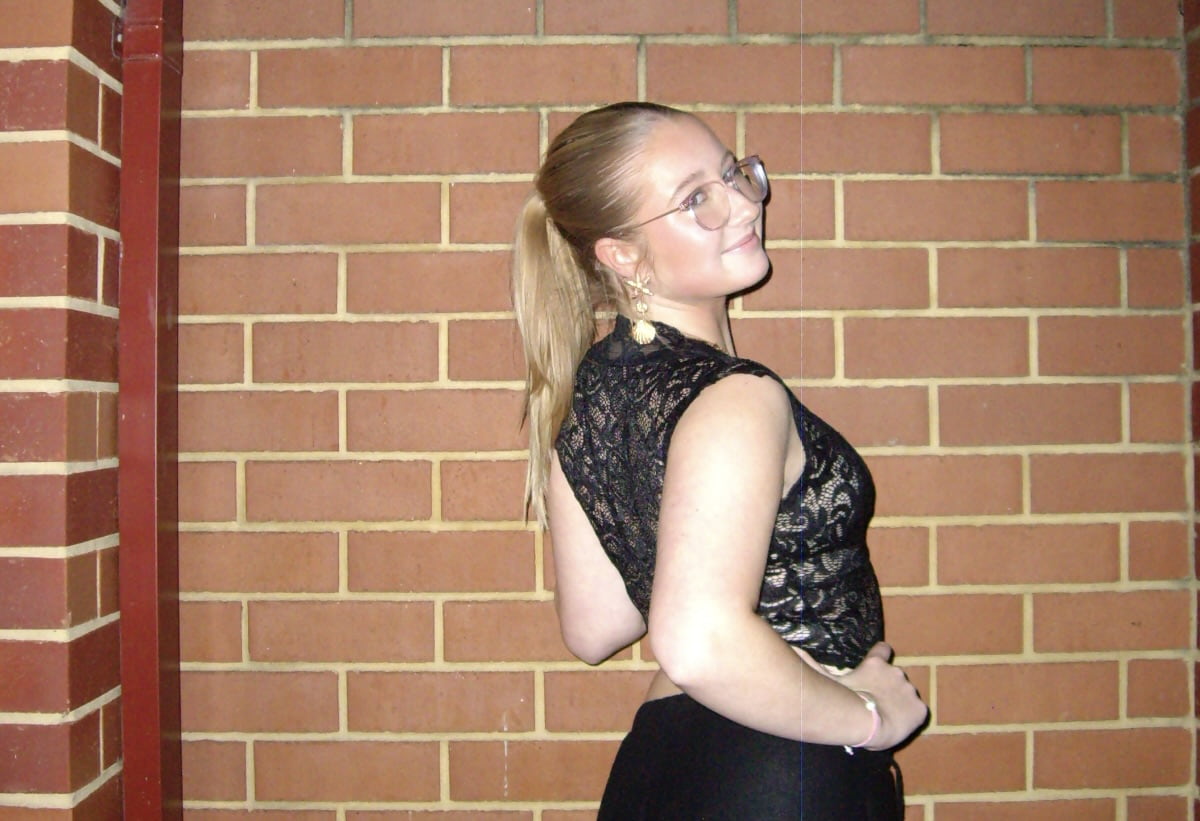
For Grosse, thrifting is a way to find clothing that reflects her personality.
“I love corporate fashion as I work full time, but I always want to add a little bit of femininity to it. I don’t want to look exactly like everyone else in the office” she says.
“So finding unique pieces second-hand is a really good way to make an outfit feel like me.”
Beyond social media
The appeal of second-hand fashion is not exclusive to Gen Z or those influenced by TikTok.
At 73, Peta Freedman goes thrifting almost every weekend, searching for pieces for herself, her grandchildren and her friends.
“I go to the op shop because you never know what you’re going to find. Sometimes I’ll go looking for something specific, but usually the best things are the ones you weren’t expecting,” Freedman says.
For Peta, the experience is as much about other people as it is about fashion. Finding something that reminds her of a friend or that she knows a grandchild will love adds another layer to the enjoyment.
“I always keep an eye out for my grandchildren and my friends. If I see something and think, ‘Oh, they’d absolutely love that,’ I’ll pick it up for them. It’s lovely finding something special that you know will make someone happy.”
Although their lives and wardrobes look different, Grosse and Freedman share an appreciation for finding pieces that feel meaningful rather than simply following what is fashionable.
“I don’t think enjoying second-hand shopping is something that belongs to one generation. I’ve always loved finding things that have a bit of character, and it’s wonderful seeing younger people getting excited about it too.” Freedman says.
When thrifting becomes another trend
With cost-of-living pressures affecting everyday spending, second-hand shopping can offer access to different styles without paying full retail prices. Extending a garment’s life can also help reduce demand for newly produced clothing.
However, buying preloved does not automatically make a wardrobe sustainable. ABC News has also examined the tension between thrifting and overconsumption, with resale culture raising questions about whether shoppers are buying more simply because items are inexpensive or readily available.
Vintage fashion’s popularity presents a similar challenge. If every new aesthetic encourages consumers to purchase another collection of clothes, even second-hand shopping can become part of the same cycle it appears to challenge.
In a world that constantly tells us what to buy next, perhaps the most individual thing we can do is learn to love what we already have and make room only for the pieces that truly feel like us.
Siena Messer

Siena Messer is a journalism and broadcasting student at Edith Cowan University with a flare for arts, cultural and lifestyle journalism. With experience in high level commercial entertainment and communications she is passionate about connecting with people and telling meaningful, relatable stories for creative audiences.