


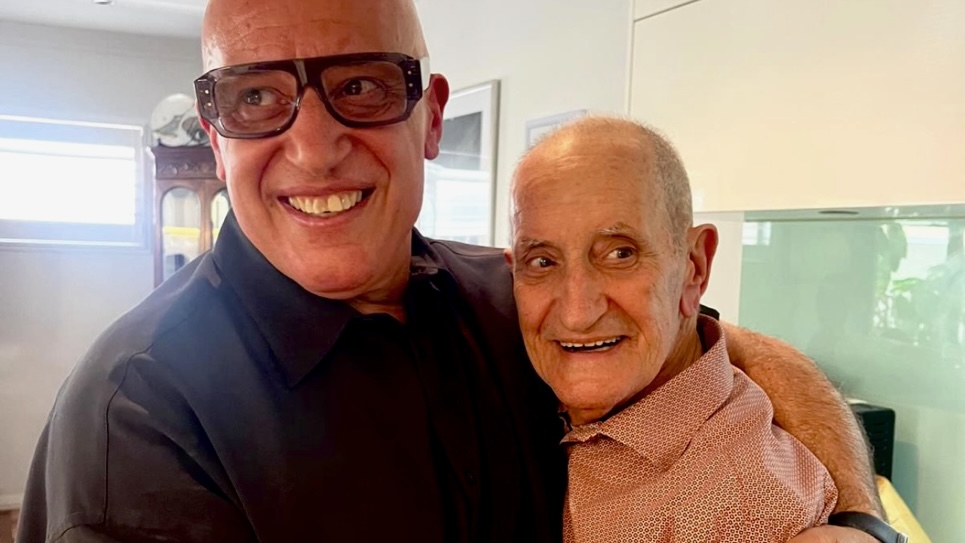
For Alfie Germano, 58, the grief of losing his father has already begun, despite his dad still being alive.
Alfie visits his dad twice a week.
The routine has not changed, but almost everything else has.
His father, his hero and the man he has looked up to throughout his life, was diagnosed with dementia four years ago.
For Alfie, the diagnosis brought back memories of watching the same condition affect his paternal grandparents.
His grandfather developed dementia at 73 and died three months after entering residential care, while his grandmother lived with the condition for about 10 years.
He had seen firsthand what dementia could do to someone he loved.
Now, he was watching his father go through it too.
Alfie says his father had always hoped to avoid the condition.
“Give me cancer, give me something, just not this (dementia),” Alfie recalled his father saying.
Despite knowing what dementia could bring, Alfie says his father’s diagnosis has not changed the love he feels for him.
But it has forced him to confront a reality his family has experienced before.
As his father’s condition progresses, Alfie is learning to navigate a relationship that remains deeply important, even as the person he remembers becomes harder to reach.
“I go in there, kiss dad. How are you? I’m not looking for signals. I’m not looking for a fairy tale ending. I know how this ends,” he said.
It is a reality familiar to families living with dementia: mourning the changes in someone they love while continuing to care for them, spending time with them, holding onto the relationship they have always known.
This experience is known as ambiguous loss, explains Natasha Pekic, an accredited mental health social worker and systemic family therapist.
Pekic, who has more than 18 years’ experience working with individuals and families, says dementia can create a particularly difficult form of grief.
The concept of ambiguous loss, developed by researcher Pauline Boss, describes a loss without the clear ending of death.
A person may remain physically present, but changes to their memory, personality and behaviour can alter the relationship that once existed.
“You have a husband in front of you who looks the same, but neurologically, mentally, spiritually, emotionally, they’re having different responses,” Pekic said.
“The brain finds it really, really hard to accept.”
“How could you be there physically in front of me and look the same? But you are actually a changed person,” she said.
For families, it can mean grieving someone who is still sitting in front of them.
The person may look familiar, but the relationship can feel different, and there is no clear moment when the loss begins – or a clear ending that allows families to move forward.
Pekic describes the experience as a “deep sense of loss, confusion, sadness, and complicated grief because the person is still there in front of them”.
For Alfie, understanding his father’s dementia also means remembering the man he has been throughout his life.
His father arrived in Australia from Italy as a teenager and spent his life working hard to provide for his family.
Growing up, Alfie sometimes struggled to understand his father’s stress and short temper.
With age, he began to see the sacrifices he made.
“He was always thinking, family, family, family,” Alfie said.
Looking back, Alfie recognises how hard his father had worked to give his family opportunities he had not always had himself.
He remembers calling his parents every day after he began earning money while living in Hong Kong.
Those conversations are now part of the memories he holds on to.
“He was a gentleman,” Alfie said, becoming emotional as he reflected on his father and grandfather.
“They’re just gentlemen. They were so kind.”
“I’m so lucky, I’m so, so lucky,” he said.
For Alfie, that gratitude exists alongside the sadness of watching his father decline.
He said he sometimes thinks about how his father might feel if he could fully understand his own condition.
“If my dad had all of his marbles and he was like, this little guardian angel above his body at the moment looking down, he’d be very sad to see where he’s at,” he said.
It is a painful thought, but Alfie does not see dementia as something that has erased his love for his father.
“Does it change my relationship with him? No,” he said.
“I go there and say hey dad, how are you?”
Pekic says families do not have to choose between acknowledging their grief and appreciating the time they still have with their loved one.
“What Pauline Boss suggests, and a lot of therapies suggest, is that we can hold both,” she said.
Families can acknowledge the sadness of what has changed while still valuing the person who remains.
Moments of connection can continue to matter, even when a loved one struggles to recognise family members.
Pekic said people with dementia may still experience a sense of connection, even when they can no longer recognise those around them.
“It’s almost like their soul knows,” she said.
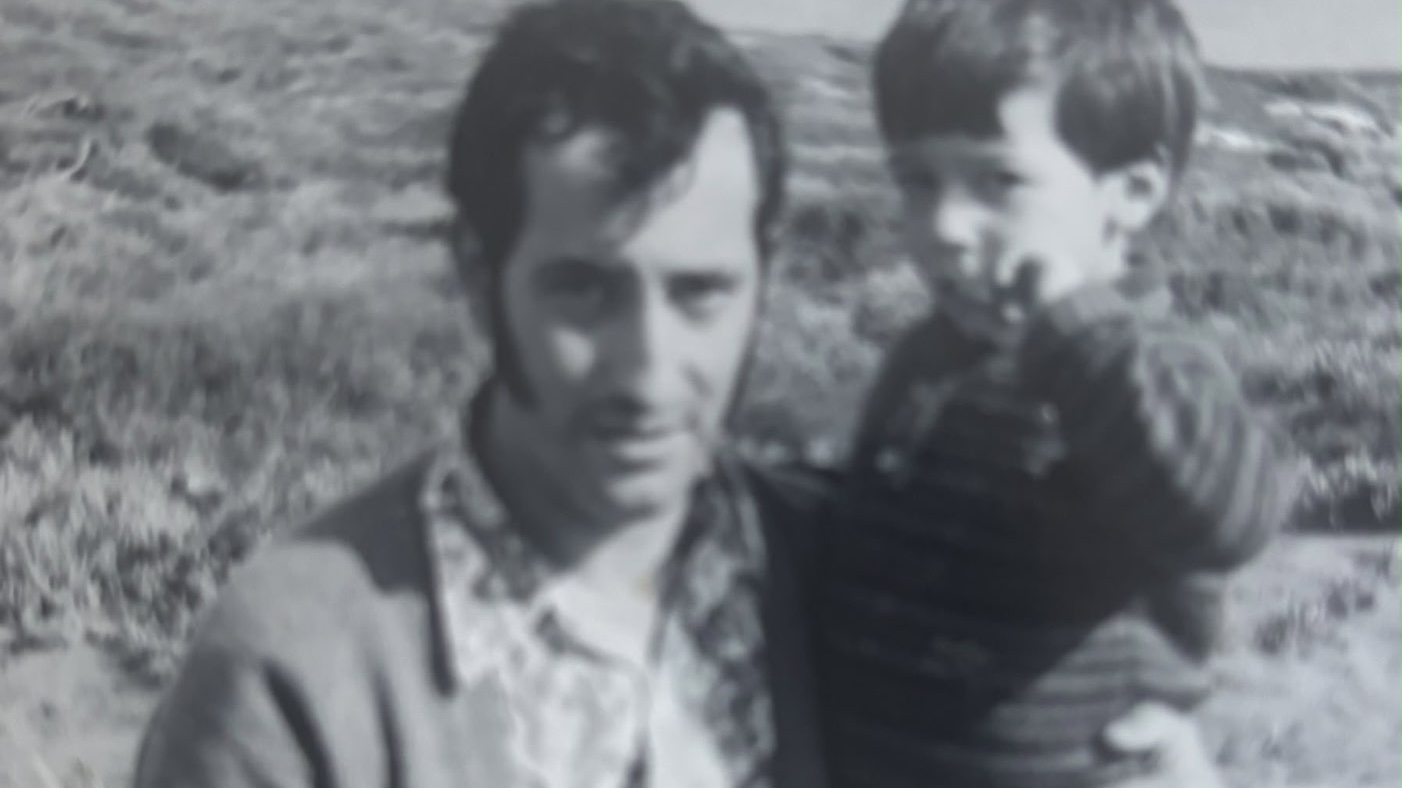
For Alfie, having seen dementia affect his grandparents has given him some understanding of what lies ahead, but it has not made watching his father decline any easier.
“I am so lucky that I had all this time with my dad,” he said.
“I won’t be up there at his funeral talking about, ‘I wish I spent more time with my dad.’ I’ve done shitloads with my dad.”
Alfie continues to visit his dad, knowing there is little he can do to stop the illness from progressing.
“It hurts to see him disintegrate, but nothing we can do,” he said.
“So, we can only do our best and make him comfortable and safe.”
For Alfie, caring for his father now means making the most of the time they have together.
“My dad knew I loved him,” he said.
“I told him all the time.”
When the time comes to say goodbye, Alfie knows he will grieve.
But his tears will not be about the time he wishes he had given his father.
They will be for the man he loves, the memories they made and the relationship that has meant so much to him.
“I’m going to cry because I’m going to miss him,” Alfie said.
Ava Tavolaro

Ava Tavolaro - a journalism and broadcast media student with a passion for sports media.


