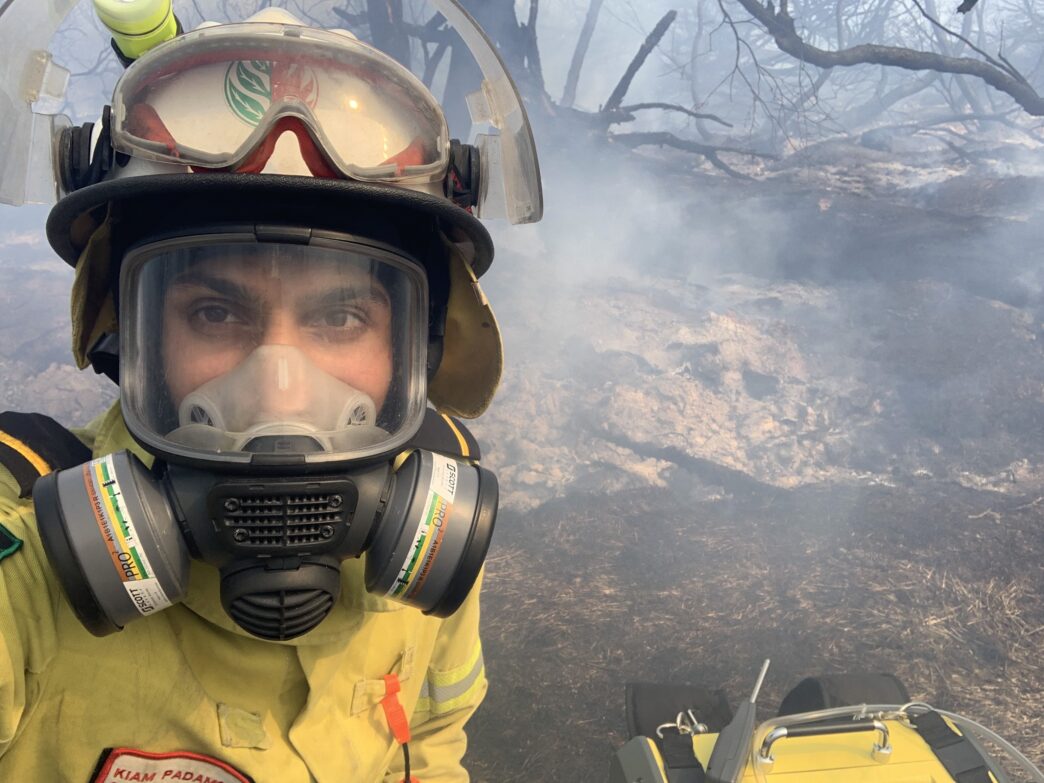
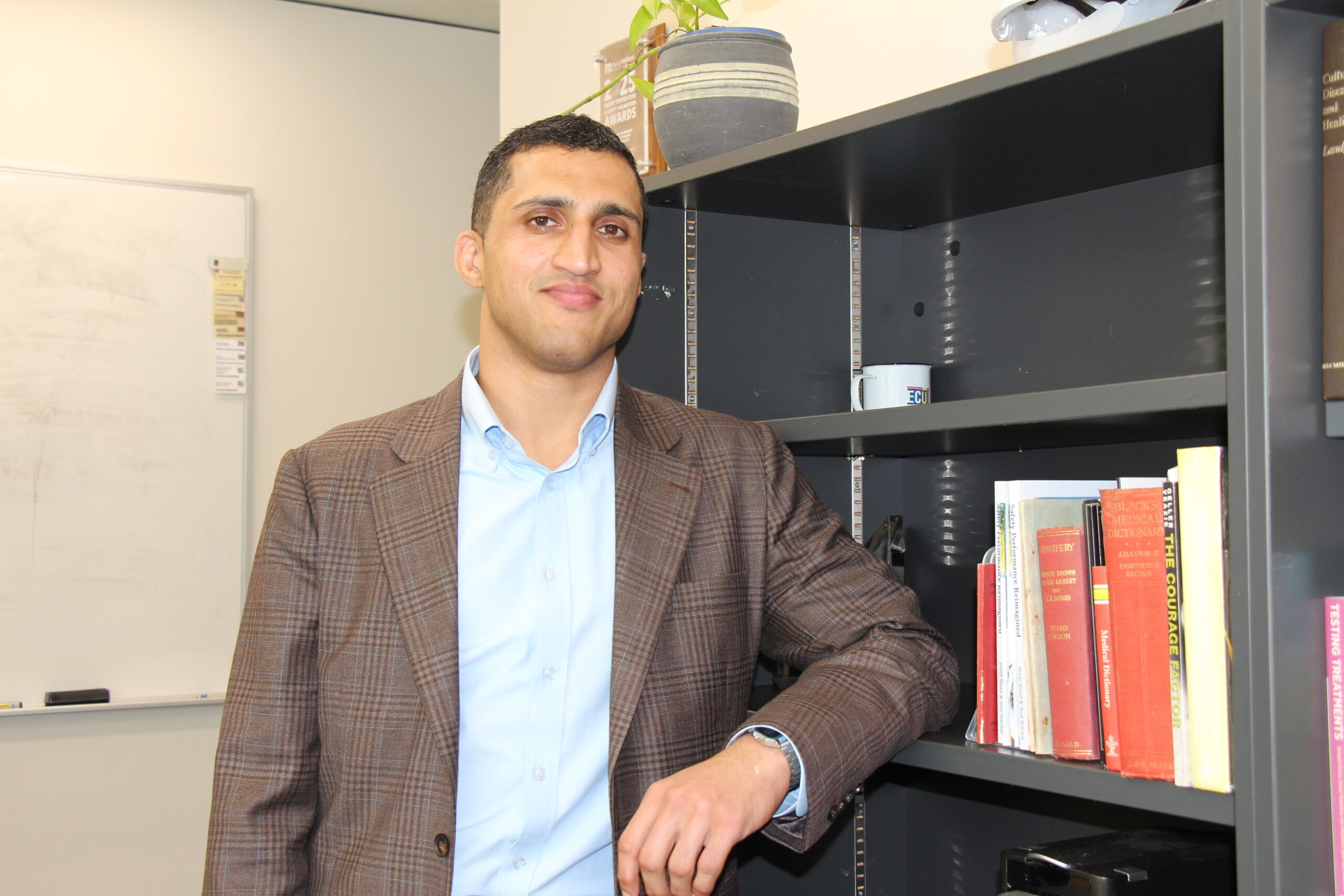
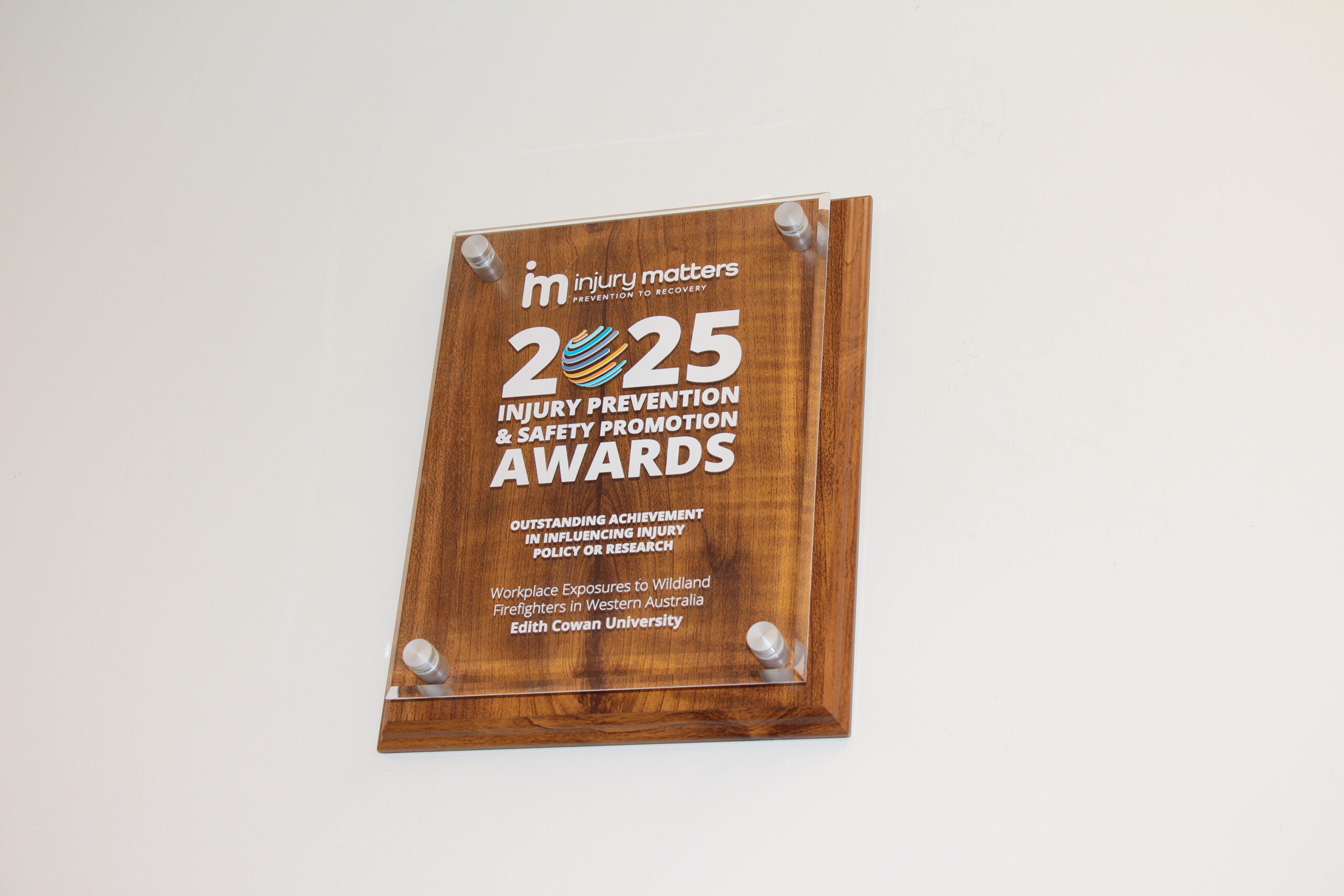
Dr Padamsey’s research on the protection of firefighters from hidden chemicals in bushfire smoke has named him as a finalist for Early Career Scientists of the Year at the 2026 Premier’s Science Awards.
For the Edith Cowan University (ECU) lecturer and epidemiologist, simply qualifying for the award already feels like a win.
A volunteer firefighter’s hunch
The health risks associated with repeated exposure to bushfire smoke are personal to him.
His experience exposed a gap between what firefighters believed about the smoke they breathed and what the science said. At that time, the prevailing idea was that bush fire smoke “was okay” to breathe in.
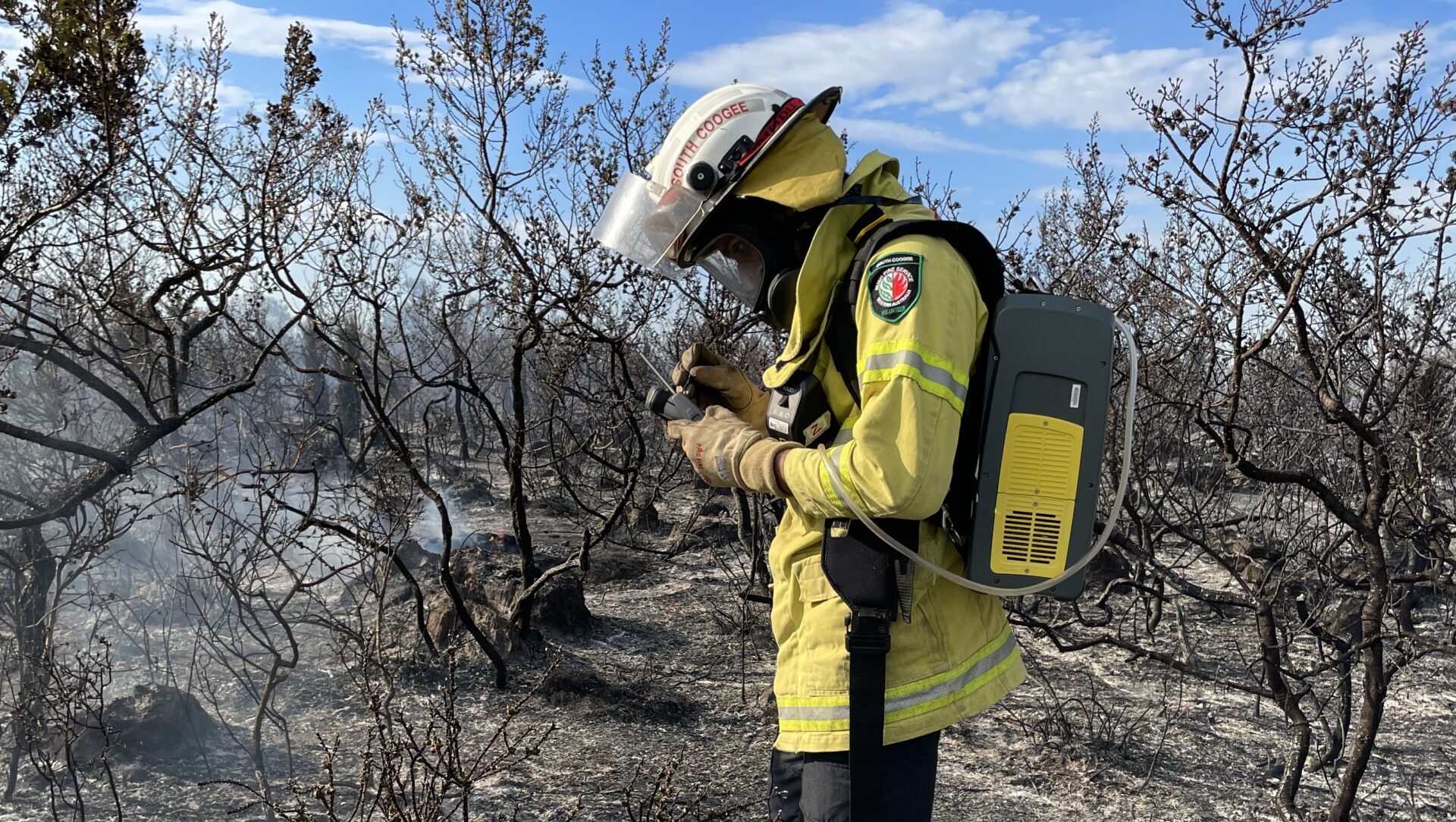
For his PhD, Dr Padamsey carried a big Fourier-transform infrared spectrometer into active bushfires to measure smoke chemistry and firefighters’ exposure levels.
The results were stark.
Compared with regulated workplace limits, Dr Padamsey said firefighters’ exposure to carbon monoxide and benzene, a known carcinogen, was “off the charts”.
He also examined whether uniforms absorbed these chemicals, creating a secondary exposure route through the skin.
What the study found
While Dr Padamsey’s PhD measured firefighters’ exposure to chemicals in bushfire smoke, his subsequent peer-reviewed study, co-authored with fellow ECU researchers, Fighting fire and fumes , examined firefighters’ understanding of those risks about risks and the barriers they faced in protecting themselves.
After interviewing 23 WA volunteer and forestry firefighters, the report found that volunteers “have less knowledge about the harms of bushfire smoke compared with forestry firefighters”.
Some were told early on that it was “good smoke”, safe to breathe. It also surfaced a culture that historically discouraged protection, with volunteers told not to wear masks so they’d “learn how to breathe” in smoke.
Forestry firefighters reported limited access to decontamination facilities and workplace showers, sometimes forcing them to decontaminate at home.
One described an extra wash cycle to strip particulates from his kit to avoid contaminating his kids’ clothes, worried about “the particles that will come off the clothing and impact the kids one day”.
Another, sharing one shower with twenty colleagues, said the setup seemed “designed for you not to get clean before you go home”.
A third, denied proper respiratory protection, said it felt like the department viewed firefighters as simply “expendable”.
From the cockpit to the classroom
Dr Padamsey’s path into science was not linear. After high school, he became a pilot but stepped away to care for his ill parents in his early twenties, prompting him to reconsider his future.
Rather than returning to the cockpit, he enrolled in a Bachelor of Human Biology at The University of Western Australia, followed by a Master of Public Health and a PhD in epidemiology.
Today, he teaches around 200 students a semester at ECU.
“Epidemiology is the study of diseases inside populations,” he explained.
A doctor treats an individual whereas an epidemiologist looks at what’s driving illness across a whole community.
What he hopes the research achieves
For Dr Padamsey, the goal is simple: ensuring everyone who works in firefighting can return home to their families healthy and safe.
Bushfires are inherently dangerous, he says, but that shouldn’t mean firefighters carry preventable risks home to their kids because no one measured the problem properly.
Chloe Nolasco

Chloe Nolasco is a final-year Journalism and Broadcast Media student at ECU who approaches storytelling from behind the camera as much as the keyboard. With experience in video editing, audio editing, and content production, she brings a multimedia lens to every story she covers. Based in Perth, she's focused on producing work that speaks directly to local audiences.