We are taught to value intelligence from an early age. Good grades, qualifications and experience can help get a foot in the door, but knowing what to do is only part of succeeding.
Emotional intelligence can help influence what happens after that.
Emotional intelligence expert Amy Jacobson describes it as the partner to IQ.
“Your IQ is what we know and what we can do, where your emotional intelligence or your EQ is the how and why we do it,” she said.
It involves understanding our own emotions, recognising how we affect others and knowing how to respond rather than simply react.
When emotions take over
For HR worker Elizabeth Perkins, understanding her emotions was something she had not always considered, so she attended one of Amy Jacobson’s emotional intelligence workshops to help her progress more smoothly in her career.
Before attending these workshops, she said she often reacted to situations without understanding what was driving her response.
“If I was stressed, I’d snap. If I was overwhelmed, I’d shut down.”
Perkins said the behaviour felt normal at the time, but she later realised how much it affected herself and the people around her.
“There were definitely moments where I’d say something in the heat of the moment and then sit with it afterwards and just feel awful.”
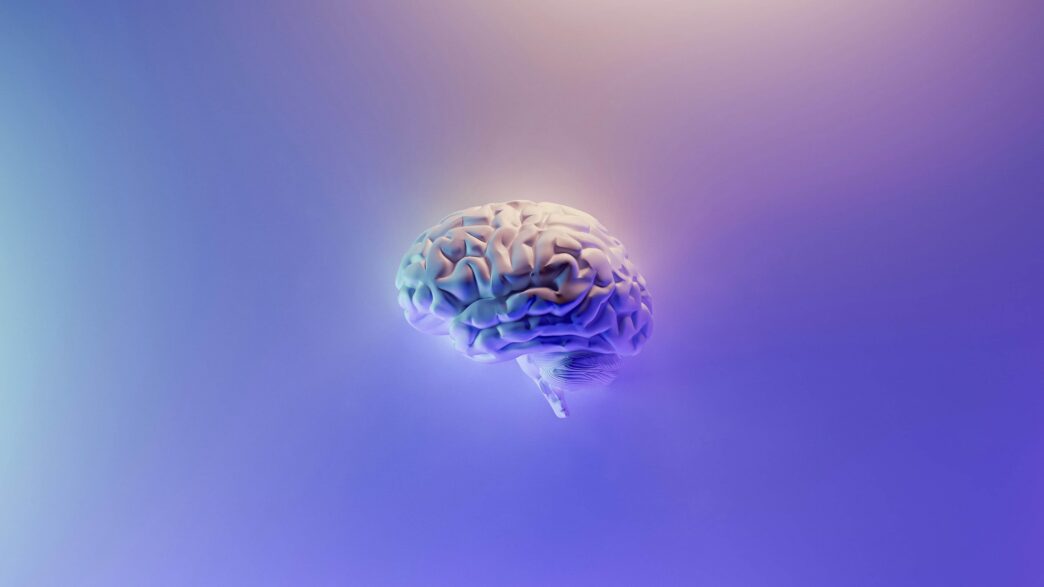
Jacobson said stressful situations can activate the amygdala, which is involved in the body’s fight or flight response. When people become emotionally overwhelmed, they can react before their logical thinking has had a chance to catch up.
“When the logical brain is not driving, there is no logic in play,” she said.
For Perkins, learning about emotional intelligence showed her that there is a gap between experiencing an emotion and acting on it.
“There’s actually a space between what you feel and how you respond,” she said. “Even though your emotions can feel really intense, you still have a choice in what you do next.”
More than a workplace skill
Although emotional intelligence is often discussed in professional settings, its effects can extend into everyday relationships.
Jacobson said developing emotional intelligence starts with understanding yourself and the values and beliefs behind your decisions. That self-awareness can influence how people communicate, respond to conflict and interact with others.
Perkins said this is where she has noticed the biggest change within herself.
“I listen more, I don’t jump to conclusions as quickly, and I think I’m a lot more patient with people.”
“Even when things get difficult, I feel like I can handle it better instead of just reacting straight away.”
For Jacobson, the importance of emotional intelligence became personal after years of measuring success through career progression, salary and material achievements.
Eventually, she reached many of the goals she had set for herself but still did not feel fulfilled.
“I still didn’t feel successful.”
That realisation changed the way she viewed success.
“As corny as it sounds, success is happiness.”
The career cost
Jacobson now works with workplaces and teams to develop emotional intelligence and said it can become increasingly important as people progress through their careers.
“Your IQ will get your foot in the door, will get you a job,” she said. “But once you’ve got a job, your ability to get promoted, your ability to progress your career and move forward, that really comes down to your emotional intelligence.”
Research has also found a relationship between emotional intelligence and job satisfaction. A 2022 meta-analysis of employee outcomes found higher emotional intelligence was associated with greater job satisfaction and lower job stress.
The findings suggest emotional intelligence is not simply about being good with people. It can also influence how people lead and communicate at work.
The pause before the response
Jacobson said developing emotional intelligence can start with something as simple as pausing before responding.
She recommends taking three deep breaths during a difficult situation, giving yourself time to assess what is happening instead of immediately reacting.
“It gives your logical brain a chance to kick in with your emotional brain,” she said.
For Perkins, learning to create that space has changed how she handles difficult situations. She said she still has moments when she struggles, but she is more aware of her emotions and has greater control over how she responds.
“I think before, my emotions kind of controlled me, and now I feel like I have more control over them,” she said.
“It’s made everyday life feel a lot easier.”
Ellie Palmer

Ellie Palmer is a Journalism and Broadcast Media student at Edith Cowan University with a passion for TV journalism and live broadcasting. She enjoys telling engaging stories, speaking with people and bringing important issues to life.