


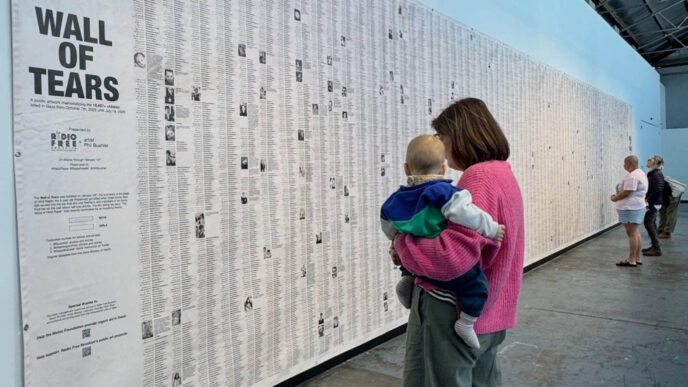
There are currently 35 Australians unaccounted for.
Now, further south on the Nepal-India border, one local non-profit is bracing for an increase in human trafficking.
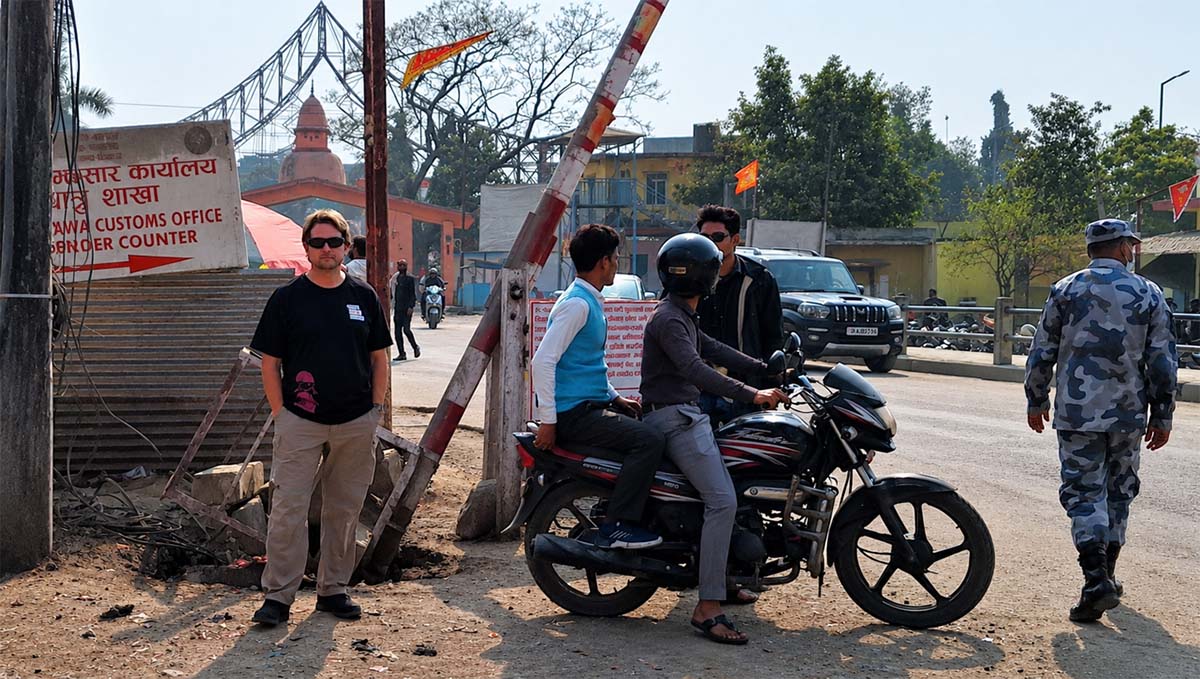
The 1,758-kilometre border between India and Nepal is one of the busiest human trafficking gateways in the world, largely due to its open border policy.
The two countries signed a bilateral agreement in 1950, the Indo-Nepal Treaty of Peace and Friendship, allowing citizens to move freely across borders and conduct business without showing passports or IDs.
An open border, an added risk
Today, it is estimated over 20,000 Nepalese women and children are trafficked across the border to India each year.
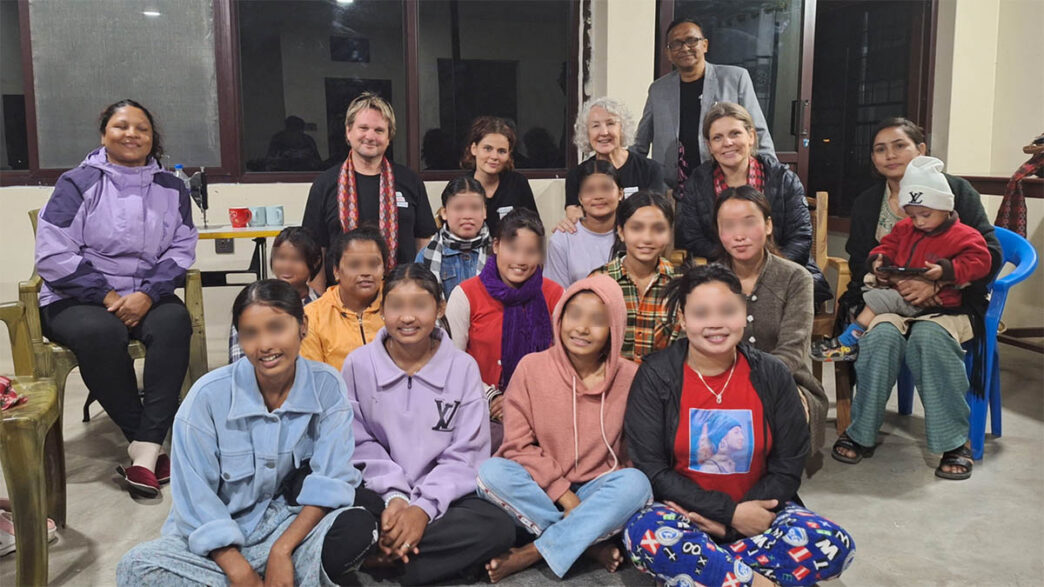
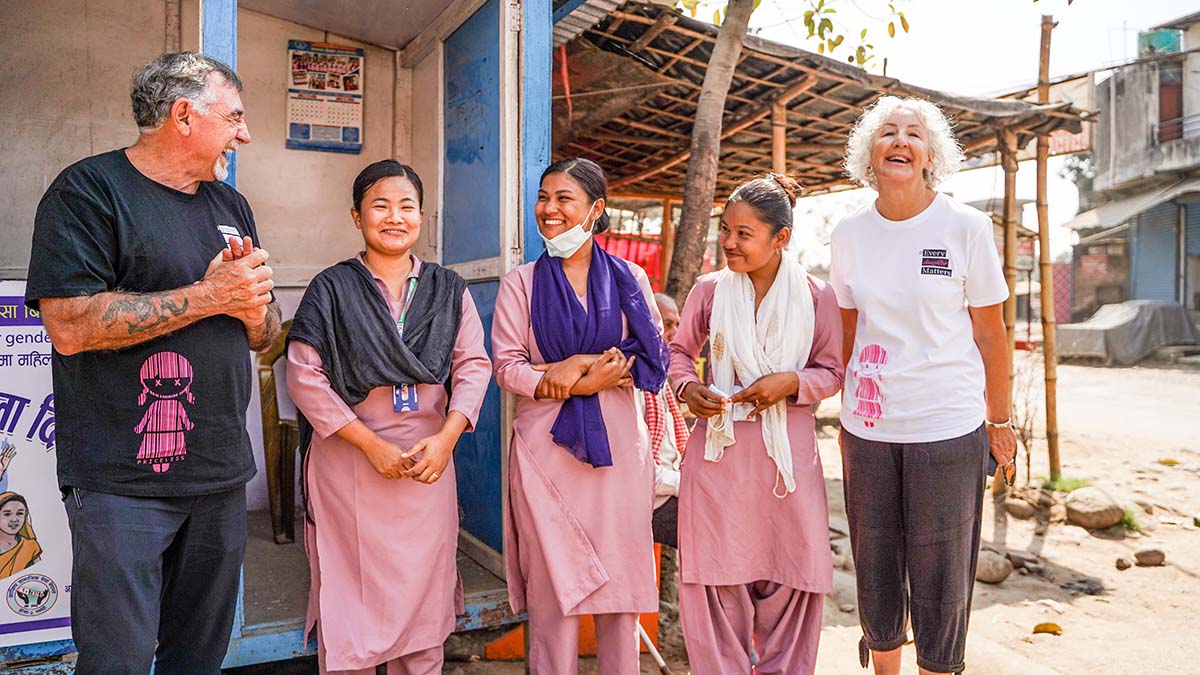
Every Daughter Matters (EDM) is one of the non-profits working across this stretch of border, intercepting and rescuing over 140 girls each month.
Darren Reynolds, EDM’s Head of Engagement, said for human traffickers, the open border is a “godsend”.
“If they cross that border and then get into India, we have no jurisdiction, and there’s only maybe a two to three percent chance they’ll ever come home.”
When disaster creates vulnerability
The organisation anticipates they will be overwhelmed at the Nepal-India border following the recent glacier collapse.
In the three months after Nepal’s Ghorka Earthquake in 2015, local human trafficking interceptors noted a 15 per cent increase in human trafficking.
“The next flow-on effect is that there are going to be displaced children who’ve lost parents, and there are going to be predators who come in, who go ‘easy picking’,” Mr Reynolds said.
“A significant percentage are living below the poverty line. They’re not paying significant taxes, so they get the police they pay for. They get you know the infrastructure, the hospitals.
“When a tragedy like this hits, it’s hitting people who are already down and out.”
How climate displacement increases vulnerability
Edith Cowan University Law Lecturer, Dr Mostafa Naser said there are direct links between human trafficking, environmental degradation impacts and climate change.
“It affects livelihoods mostly […] it damages the infrastructure […] their main residences are destroyed.”
“Because of these climate change impacts, it increases their (Nepalese) vulnerability, and the traffickers, they get the opportunity for exploitation,” Dr Naser said.
According to Dr Naser, gaps in international law also aggravate human trafficking and modern slavery scenarios, contributing to people’s vulnerability.
Dr Naser said although there are some bilateral agreements between countries, such as the Australia-Tuvalu Falepili Union treaty, there is no international law that specifically recognises people displaced by climate change or any environmental impacts.
“Environment or climate change is not the ground or reason for actually claiming refugee status,” he said.
“So that means we don’t have any international mechanism for protection of these people, who are forced to move from one area to another, one country to another, because of environmental degradations or climate change.”
laura Igglesden

Laura Igglesden is a Master of News and Entertainment Media student at ECU. She made the switch from writing press releases, to writing and producing multi-platform news, keeping integrity and diligence at the core of everything she does.







Great work, Laura. Thanks for your interest in this important topic.